
Last updated November 16, 2026
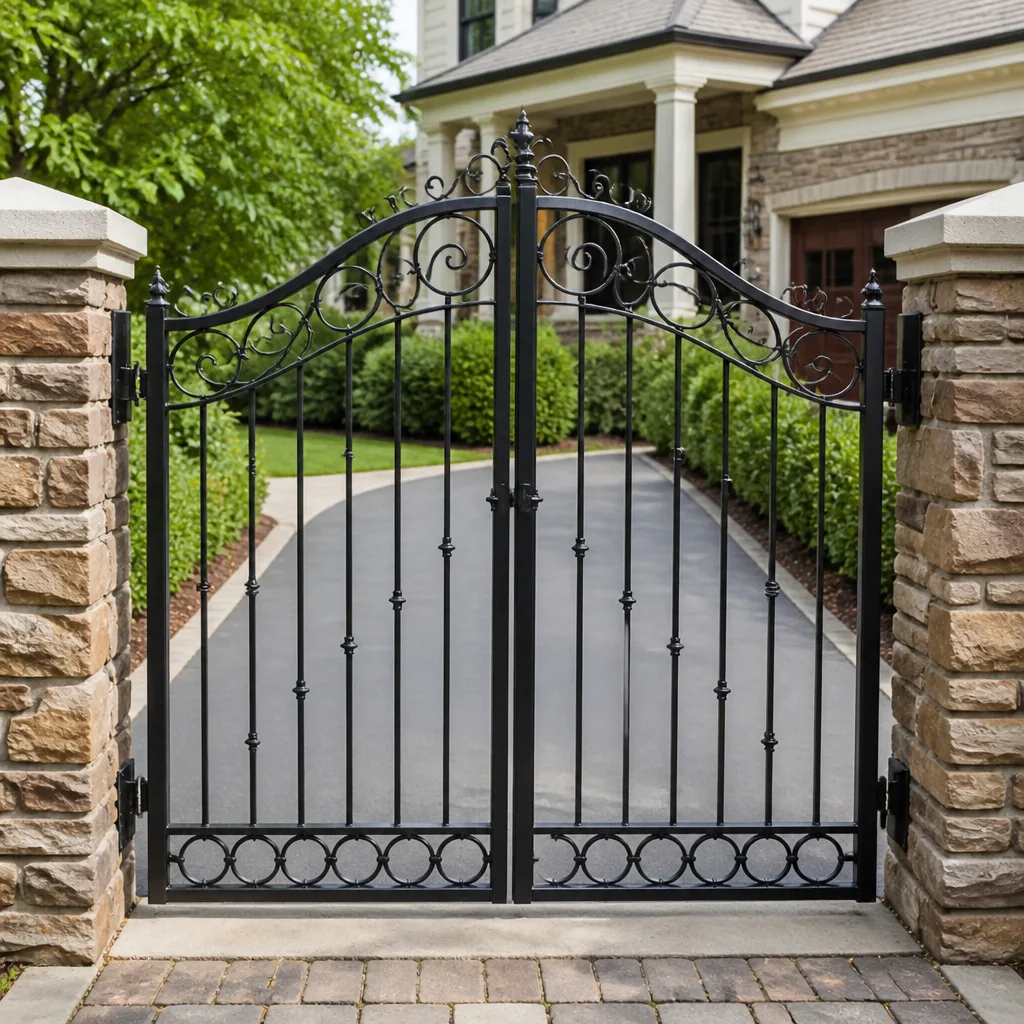 Wrought iron
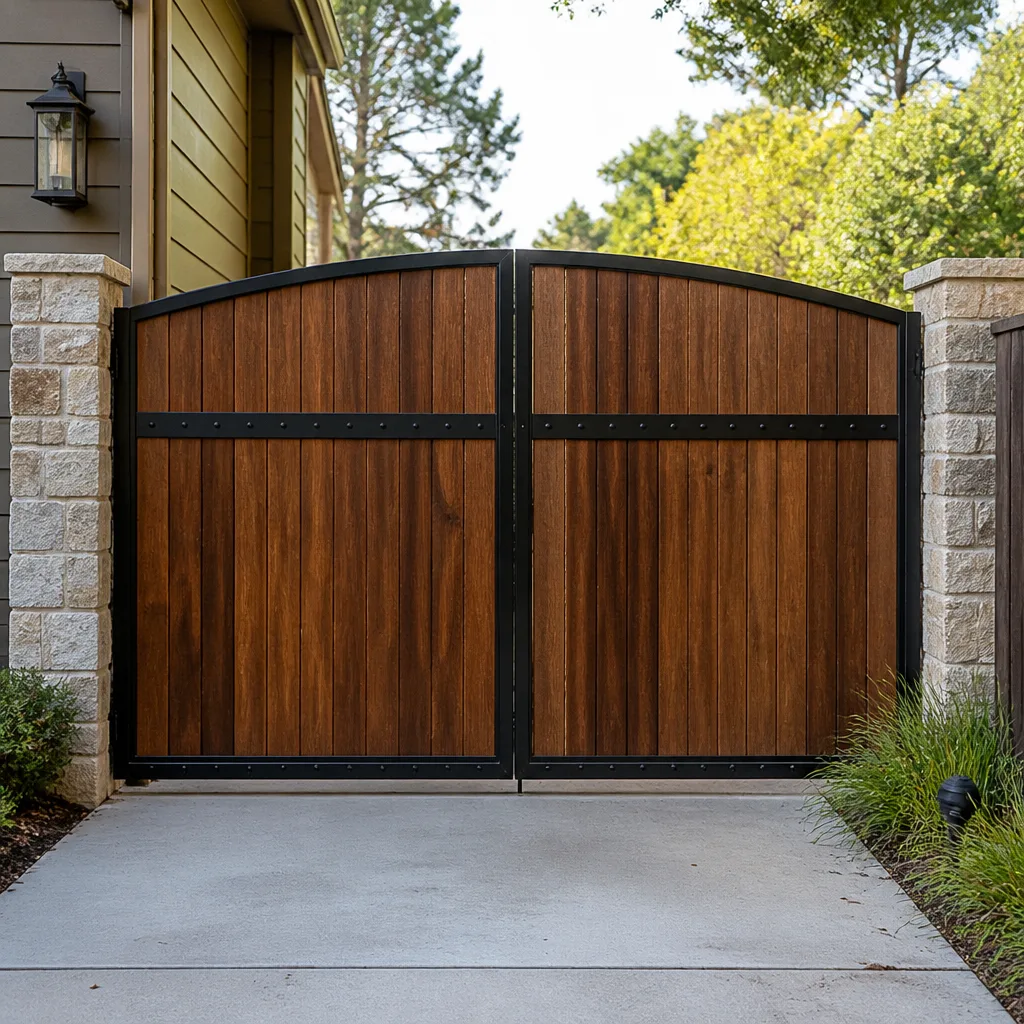 Wood & steel frame
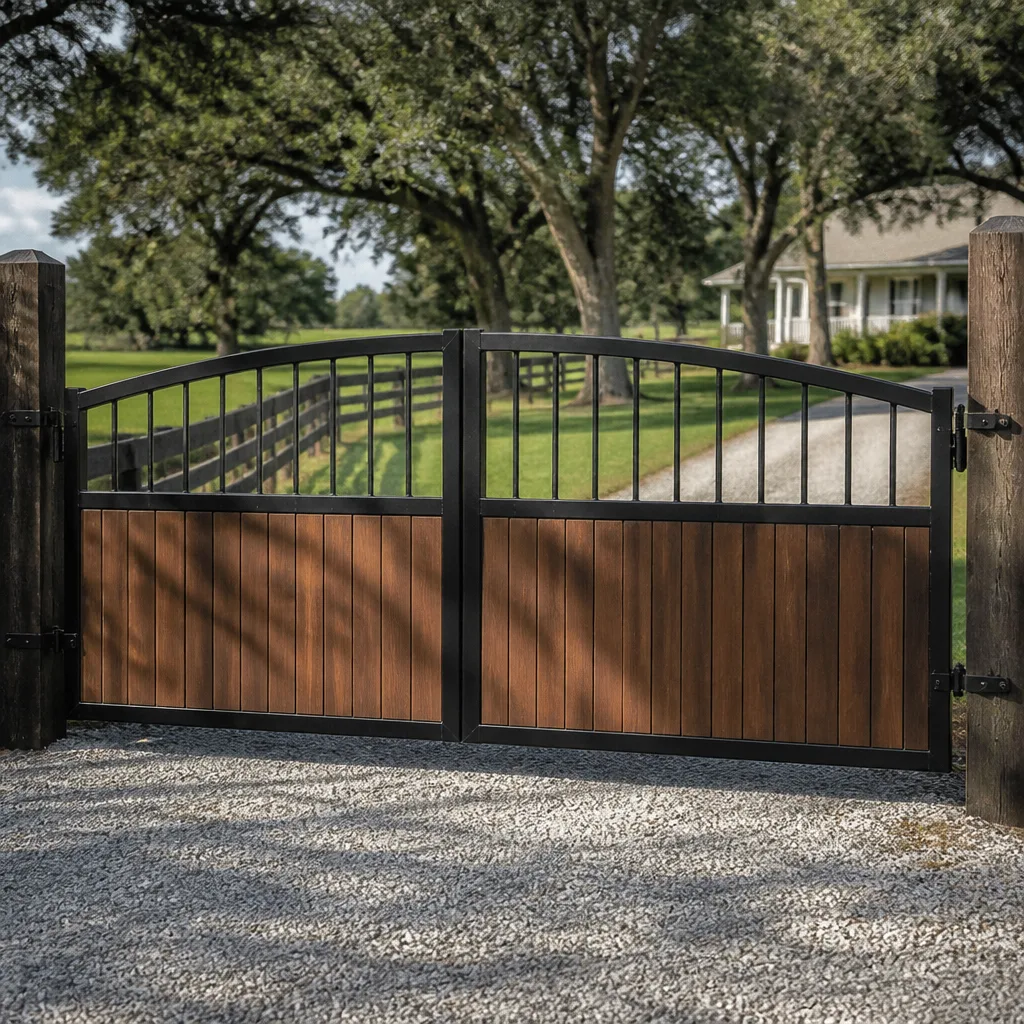 Farm & ranch
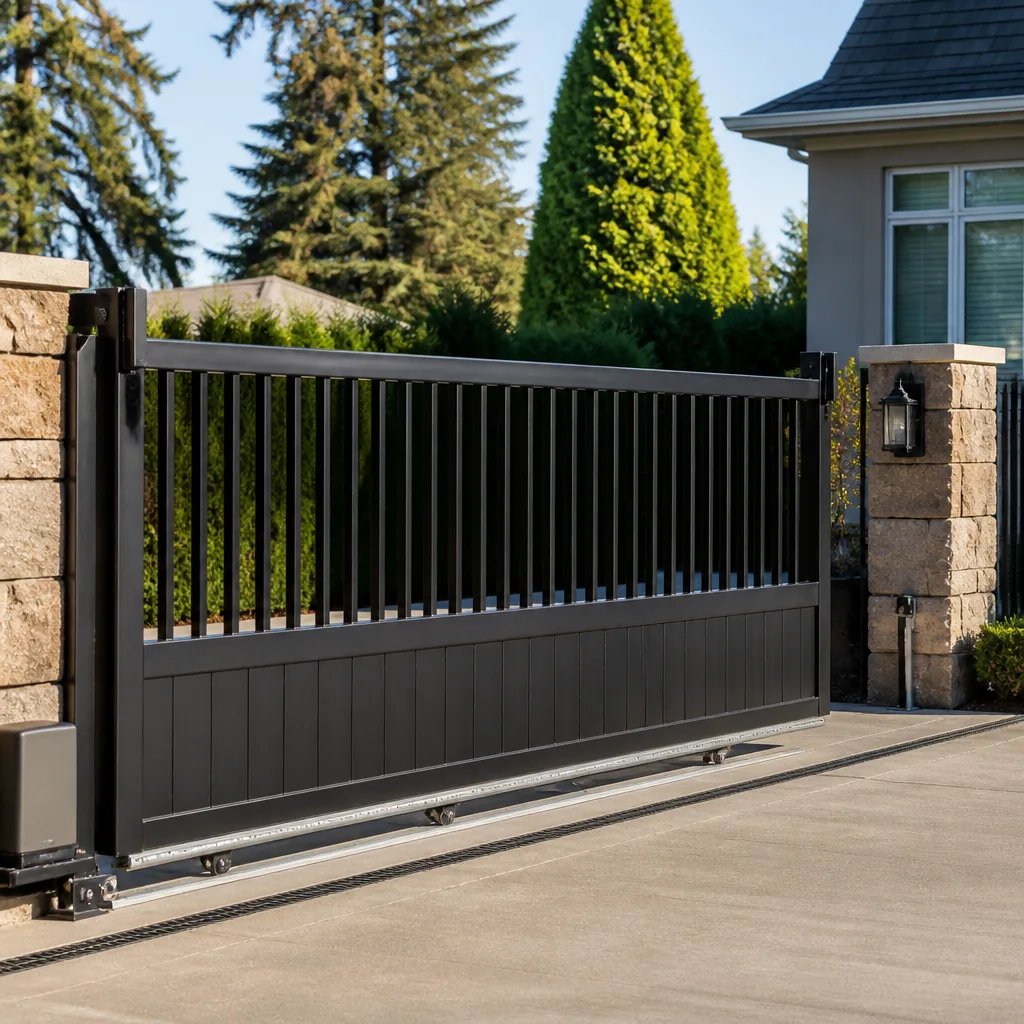 Sliding driveway gates
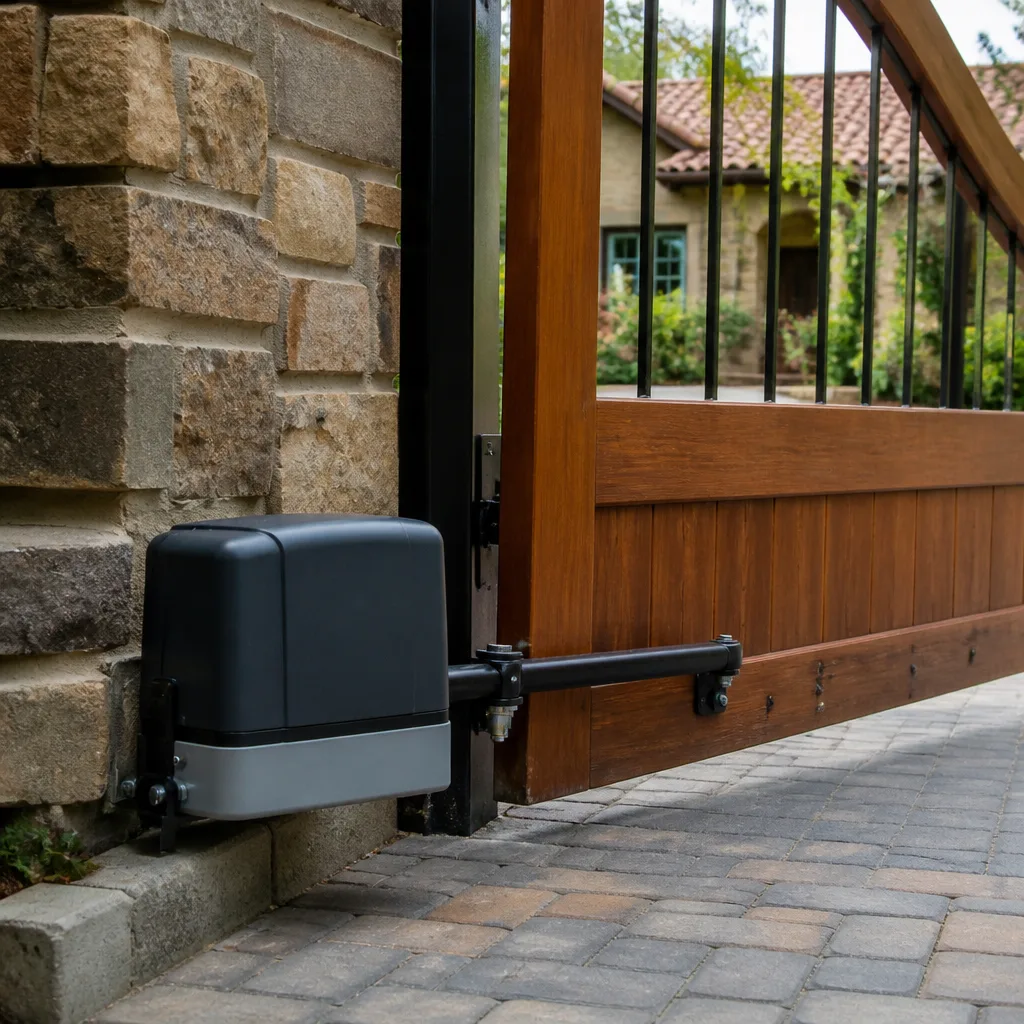 LiftMaster operators
Free on-site gate assessment - hinges, posts, and your LiftMaster or Nice gate operator checked before anything is quoted
The assessment is free and the quote is the invoice.
Get your free estimateSeasonal Gate Repair Care for Aurora: Year-Round Homeowner’s Guide
The gate that stops working in October usually didn’t fail in October. The damage happened in July, when weeks of afternoon heat pushed the gate frame hard against a stop bolt at the end of every cycle, quietly working the operator’s gear set toward failure. By the time the gate finally jams, the summer culprit is long gone from memory. Aurora sits in a climate band that stresses gates in all four seasons, and each season leaves a mark the next one exposes. This guide maps that chain month by month, so your gate work becomes something you plan rather than something you react to.
Quick Answer
Year-round gate care in Aurora means matching maintenance to the season: set travel limits and check the frame in summer heat, clear tracks, hinges, and sensors before the first freeze, watch battery backup and hydraulics through winter cold, and inspect posts and alignment after the spring thaw. Most gate failures in Aurora are the delayed result of a problem that started one to two seasons earlier, which is why a simple seasonal checklist prevents far more breakdowns than waiting for something to break.
Styles & brands we work with
- Wrought iron
- Wood & steel frame
- Farm & ranch
- Sliding driveway gates
- LiftMaster operators
Table of Contents
- Why Seasonal Gate Care Matters More in Aurora
- Spring: Post-Thaw Inspection and the Alignment Trap
- Summer: Heat Expansion and Travel Limit Settings
- Fall: Undoing Summer Damage Before the Freeze Locks It In
- Winter: Cold-Specific Failure Modes in Aurora
- How to Build a Seasonal Gate Repair Budget for Aurora
- Your Year-Round Gate Care Checklist
- Common Mistakes to Avoid
Why Seasonal Gate Care Matters More in Aurora
A gate is a machine that lives outdoors and has to work perfectly on the first try, every time. In a place with wide seasonal swings, that machine is being asked to do its job through cycles of expansion, contraction, moisture, and frost. A manual swing gate shrugs off most of this. An electric or automated gate is less forgiving, because the operator is set to a specific travel distance and torque range, and the gate frame around it keeps changing size with the temperature.
Here’s the part most Aurora homeowners miss: gate problems rarely announce themselves in the season that caused them. The heat of July doesn’t break a gear set on the spot. It creates wear that compounds across thousands of cycles, and the failure shows up in the first cold week of the year. The same logic runs the other way. Frost heave in January nudges a post a fraction of an inch, and the misalignment only becomes obvious in April when the latch stops catching.
Thinking in seasons changes how you spend money on your gate. Instead of an emergency call in the worst weather, you get a predictable set of small tasks done at the right time. For automated and electric systems, that shift matters even more, which is why our electric gate repair work often starts with a conversation about what the gate has been through over the past twelve months.
Aurora’s mix of established residential streets and newer subdivisions means we see everything from light DIY-grade residential operators to heavier commercial units on shared driveways and small properties. The care calendar is broadly the same for all of them. What changes is how closely you watch the machine and how much you’re willing to inspect versus delegate.
Spring: Post-Thaw Inspection and the Alignment Trap
Spring is when Aurora gates reveal what winter did to them, and the most common culprit is the ground itself. When soil freezes, it expands. When it thaws, it settles, and it doesn’t always settle back to where it started. A gate post is only as stable as the footing beneath it, and after a hard winter a post can shift slightly even when everything above ground looks untouched.
That’s why a gate can “seem fine” in April and still be misaligned. The frame may look square to your eye, but the gate may be dragging on one corner, the latch may sit a little low, or the operator may be pushing harder to complete a cycle. These small changes are what a post-thaw inspection is built to catch.
Run this inspection yourself first, then bring in a technician if anything looks off:
- Open and close the gate by hand (with the operator disengaged) and feel for binding, dragging, or a spot where it catches.
- Check the posts for movement. Push gently against each post. Any wobble or lean is a sign the footing needs attention.
- Look at the gap at the latch and the stop points. A gap that’s suddenly uneven is usually an alignment issue, not a latch problem.
- Inspect the track on a sliding gate for grit, frost damage, or debris that collected over winter.
- Test the safety sensors and reverse function before you trust the gate with regular use.
If a post has heaved, the fix is rarely just adjusting the operator. Pushing the limits to compensate for a shifted post masks the real problem and puts more strain on the machine. When a post, frame, or footing needs correction, our gate repair team can confirm whether it’s a simple adjustment or a footing issue before anything gets forced.
Summer: Heat Expansion and Travel Limit Settings
Summer is the season that quietly causes the most long-term wear, and it comes down to physics. Metal expands as it heats. A steel or aluminum gate that measures a certain width on a cool morning is measurably wider by mid-afternoon on a hot day. If the operator’s travel limits were set in spring, the gate is now running into its stop earlier than it used to, and every cycle it does that, the operator absorbs the shock.
Do that several times an hour, every afternoon, for a whole summer, and you get the exact wear pattern that shows up as an October failure. The operator isn’t broken. It’s been fighting a gate that grows a little every day. This is the single biggest reason we recommend setting gate travel limits for peak-temperature operation, not for the mild weather of spring.
How travel limits should be set for summer
Travel limits tell the operator where the gate should stop on opening and closing. If they’re set when the gate is cool, the gate will overshoot into the stop as it expands. The correct approach is to set them at the temperature the gate will actually run in at its worst, so there’s a small cushion at full heat.
- Check limits on a hot afternoon, not early morning. If the gate slams or strains at the end of travel, the limits are too tight for the heat.
- Watch for the gate “bouncing” off its stop. That’s the sound of the operator absorbing force it shouldn’t have to.
- Leave a small clearance at the stop so the gate has room to expand without pressing on the operator.
- Test both directions of travel, since expansion affects opening and closing stops differently.
Different operators handle this differently. On LiftMaster and FAAC systems the limit adjustments are usually straightforward once you know the control board, and on BFT and Mighty Mule units the procedure varies enough that guessing can make things worse. If you’re not sure which limit setting your gate should have, that’s a good point to have a technician check it.
Fall: Undoing Summer Damage Before the Freeze Locks It In
Fall is the last window to fix what summer wore out, and it’s the season most homeowners skip. A problem that’s minor in September becomes a hard failure in January, and the cost and hassle of fixing it in the cold is always higher. Fall care is really about two things: undoing summer wear and making sure everything that needs to move can still move once ice and cold are involved.
Start with the moving parts. Every hinge, roller, and pivot point has been working hard all summer. A little lubrication now is cheap. A seized hinge in February is not.
- Clean and lubricate hinges, rollers, and pivot points, and wipe away any grit or debris that’s been grinding against them.
- Clear the track or the travel path completely. Leaves, twigs, and grit trapped now will turn into ice-locked debris later.
- Inspect the wiring where it’s visible. Look for cracks, exposed sections, or damage from summer lawn work or pests. Wiring issues are a common cause of electric gate repair calls once moisture gets in.
- Test the battery backup system, because this is the part most likely to fail in winter and the part most homeowners never check.
- Check the safety sensors and keypad housings for sealing that’s cracked and about to let water in.
Your operator’s brand matters here. Mighty Mule and similar residential units often have battery backup or solar setups that need a fall check. LiftMaster and DoorKing commercial units usually have separate diagnostic paths worth reviewing. Doing this in the fall means you’re not discovering a dead battery on the coldest night of the year.
Fall is also the right time to look at the gate frame for anything that shifted during the summer heat. Small adjustments made now stay done. The same adjustment in January, with frozen hardware and stiff components, is more likely to reveal a bigger issue.
Winter: Cold-Specific Failure Modes in Aurora
Winter changes the rules for a gate. Metal contracts, fluids thicken, batteries lose capacity, and moisture freezes exactly where moving parts need to move. A gate that ran smoothly in October can fail in ways that have nothing to do with a sudden break. The cold causes specific, predictable failures, and knowing them makes troubleshooting much faster.
Hydraulic fluid viscosity
Hydraulic gate operators use oil to move the gate. As temperatures drop, that oil thickens and the operator has to work harder to push it. At cold enough temperatures, the operator may fail to complete a cycle or move slowly. Fluid viscosity dropping in cold weather is one of the most common winter issues on hydraulic units, and it’s usually about the operator matching its climate, not a broken part.
Battery backup failures
Batteries don’t perform as well in the cold. A battery that tested fine in autumn can deliver far less power in January. If your gate has battery backup, that’s exactly when it’s most likely to matter and most likely to fail.
Ice in keypad and sensor housings
Moisture gets into a keypad or a sensor housing, freezes overnight, and jams or shorts it. This is why checking sealing in fall matters so much. Ice in a keypad will simply disable access until it’s dealt with.
Frozen hinges and slide surfaces
Any hinge or slide surface holding moisture freezes solid. The gate isn’t broken. It’s frozen. Keep the travel path clear and the moving parts free of standing water in fall, and this becomes far less of a problem.
If something fails on a Saturday, we’re closed that day. Call (866) 361-5021 and we’ll book you into the next opening, Sunday through Friday. We answer 24/7. A call outside dispatch hours is booked into the next opening, Sunday through Friday, 7am to 7pm.
How to Build a Seasonal Gate Repair Budget for Aurora
National averages don’t help you plan for an Aurora gate. The climate here creates a specific pattern of wear, and your budget should reflect that pattern rather than vague general advice. The idea is to set aside money for the seasonal tasks that prevent failures, and to keep a smaller reserve for the one or two actual repairs that inevitably come up over a year.
Here’s the pattern most Aurora gates fall into:
- Spring and fall: the two inspections. These catch the alignment issues after winter and the wear items before winter. Small spends that prevent bigger ones.
- Summer: limit checks and moving-parts care. The season when the operator is under the most strain, so the checks that protect it belong here.
- Winter: the season you’re most likely to need an actual repair, especially battery, hydraulic, and frozen-part issues.
Rather than budgeting by national averages, budget by your gate’s known weak spots. A hydraulic operator needs a winter reserve for viscosity-related work. A battery-backup or solar residential system needs a battery line item. A heavy commercial operator on a property you manage needs a larger spring inspection line, because the alignment issues carry more consequence on a high-cycle gate.
We don’t advertise fixed prices because every job is different, and the final price is set by the written estimate after we’ve actually looked at the gate. What we can tell you is that an estimate for a seasonal inspection or a repair in Aurora is free.
Your Year-Round Gate Care Checklist
This is the whole guide in one place. Run through it as the seasons turn, and most avoidable gate failures will be caught long before they show up on your driveway.
Spring
- Open and close the gate by hand and check for binding.
- Inspect posts and footings for frost heave and movement.
- Check latch alignment and stop points.
- Clear the track or slide surface.
- Test safety sensors and the reverse function.
Summer
- Check travel limits on a hot afternoon.
- Watch for bouncing or slamming against the stop.
- Leave clearance at the stop for expansion.
- Check both directions of travel.
Fall
- Clean and lubricate hinges, rollers, and pivots.
- Clear all debris from the travel path.
- Inspect visible wiring for cracks and damage.
- Test battery backup.
- Check keypad and sensor housing seals.
Winter
- Watch for slow or incomplete cycles from hydraulic units.
- Track battery backup performance.
- Check for ice in keypad and sensor housings.
- Keep hinges and slide surfaces clear of standing water.
If any of these steps turns up something you can’t fix or explain, a technician can look at it. Our Gate Repair Aurora team handles repair or replace, whichever the gate actually needs.
Common Mistakes to Avoid
- Setting travel limits in spring weather and leaving them all year. Spring temperatures are mild, so the limits get set for the wrong conditions and the operator fights the gate all summer. Check limits at peak heat instead.
- Skipping fall because nothing feels broken yet. Fall is the last chance to lubricate, seal, and test before the freeze. A smooth-running gate in October can still have a battery about to fail in January.
- Adjusting the operator to compensate for a shifted post. If a post has heaved after winter, re-tuning the limits masks the problem and adds strain. Fix the footing and the frame, then set the operator.
- Assuming a slow gate in winter is a broken gate. Cold thickens hydraulic fluid and shrinks battery capacity. Diagnose before replacing.
- Ignoring the battery backup until it’s needed. The battery is most likely to fail exactly when it’s needed. Autumn is the time to test it, not the coldest night of the year.
- Letting debris sit in the track over winter. Grit and leaves trapped before the first freeze become ice-locked obstacles that damage rollers and slide surfaces.
- Treating an automated gate like a manual one. A manual gate has no operator to protect. An automated gate does, and it needs the seasonal checks above, especially on the wiring and control board side.
See the difference
 Before
 After
 Before
 After
 Before
 After
When to Call a Professional
Some seasonal tasks are safe to handle yourself: lubricating, clearing debris, checking seals, and testing sensors. Others should go to a technician. Call a professional when a post has heaved or moved, when the operator strains, bounces, or slows in one direction, when the gate reverses unexpectedly, when wiring shows damage, or when the gate won’t complete a cycle at all. Electric gate systems carry live wiring and heavy panels, and a gate that’s come off its track or is stuck mid-cycle can be dangerous to force. Those are not jobs to improvise. In our experience, the failures that feel sudden are almost always the result of a fix that wasn’t made two seasons earlier.
Gate Repair Aurora offers free estimates in Aurora. Call (866) 361-5021. We answer 24/7. Fast dispatch from 7am to 7pm, Sunday through Friday.
Frequently Asked Questions
An electric or automated gate in Aurora should get a quick check each season, with two fuller inspections in spring and fall. Spring catches the alignment and post issues after winter. Fall catches the wear left from summer before the freeze sets in. Together they cover the two points in the year when problems are cheapest to fix.
Winter failures are usually about cold, not a sudden break. Hydraulic fluid thickens and makes the operator work harder, batteries deliver less power, and moisture freezes in keypads, sensors, and hinges. If a gate only misbehaves in cold weather, those are the first things to check. Call (866) 361-5021 for an exact assessment; estimates are free.
Yes, because the signs of frost heave and misalignment often don’t show up on a casual look. A gate can open and close while a post has shifted slightly, the latch is starting to miss, or the operator is working harder than it should. A spring inspection catches these before they turn into operator wear. Call (866) 361-5021 to book a free estimate.
They matter more than most homeowners realize. Metal expands in the heat, so limits set in mild weather cause the gate to press into its stop all summer. That’s the wear that surfaces as a gear failure months later. Setting limits at peak heat protects the operator. Call (866) 361-5021 for an exact quote; estimates are free.
We handle both repair and replacement, so you don’t need a second contractor if the gate needs to be upgraded rather than fixed. We work on LiftMaster, FAAC, BFT, Linear, Viking, Ghost Controls, DoorKing, Elite, and Mighty Mule systems, covering both residential and commercial operators. Call (866) 361-5021 to talk through what your gate needs.
Not always, but it should be diagnosed before it strands you. Cold-weather failures often point to battery, hydraulic, or sealing issues that get worse as winter goes on. A call to (866) 361-5021 gets you an estimate, and we answer 24/7. If it’s outside dispatch hours we’ll book you into the next opening, Sunday through Friday, 7am to 7pm.
The Bottom Line
Gate problems don’t appear in the season that caused them. In Aurora, the July heat slowly wears the operator, the January cold exposes it, and the fracture shows up in autumn. Seasonal care is how you break that chain. Set your travel limits for peak heat, undo summer wear before the freeze, watch the cold-weather failure points, and inspect for post-thaw shift each spring. If you handle those four checkpoints, most of the repairs you’d otherwise pay for never become urgent. Our technicians have up to 9 years of experience with electric and automated gate systems across Aurora and the surrounding area, and this guide is the calendar we’d give any homeowner.
Call (866) 361-5021 for a free estimate. We answer 24/7. Fast dispatch from 7am to 7pm, Sunday through Friday. For more on our services across Aurora, reach out any time the phone line is open.
Written by the team at Gate Repair Aurora.