
Last updated November 16, 2026
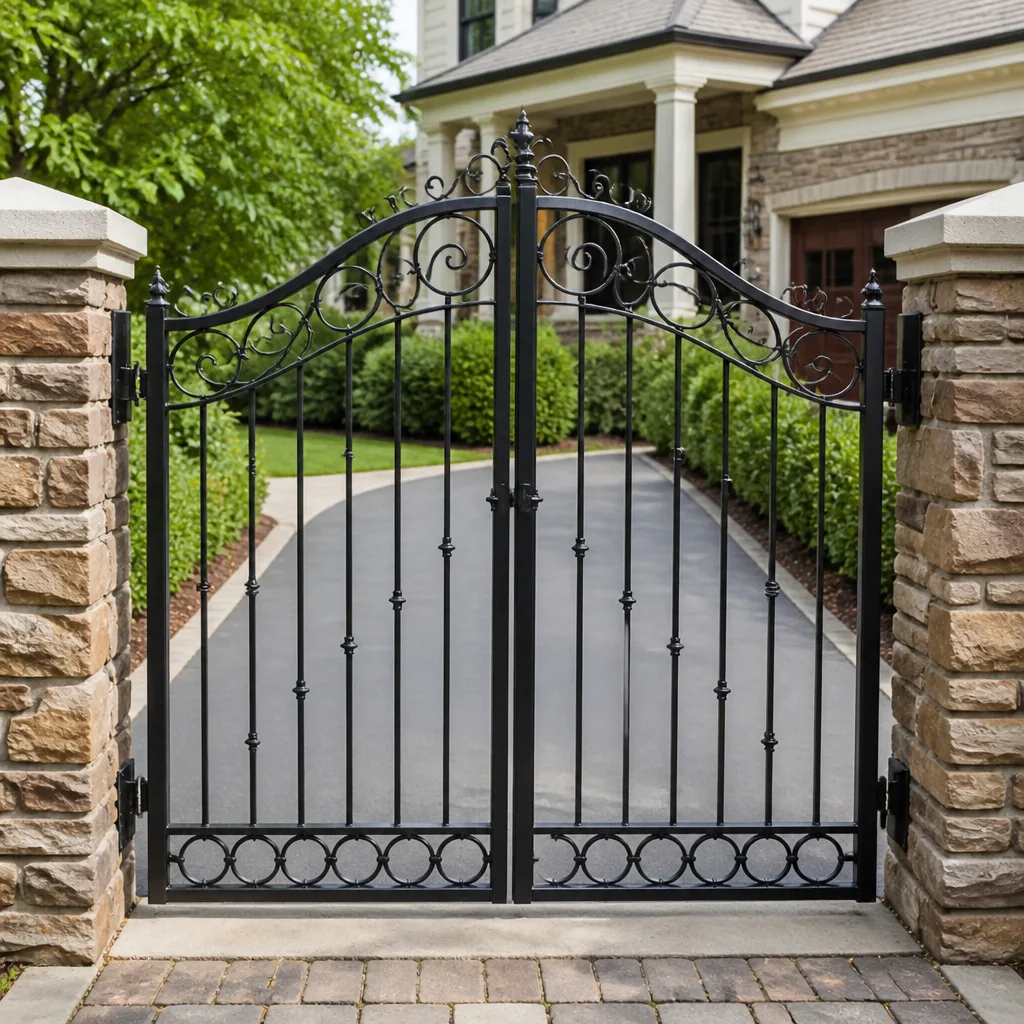 Wrought iron
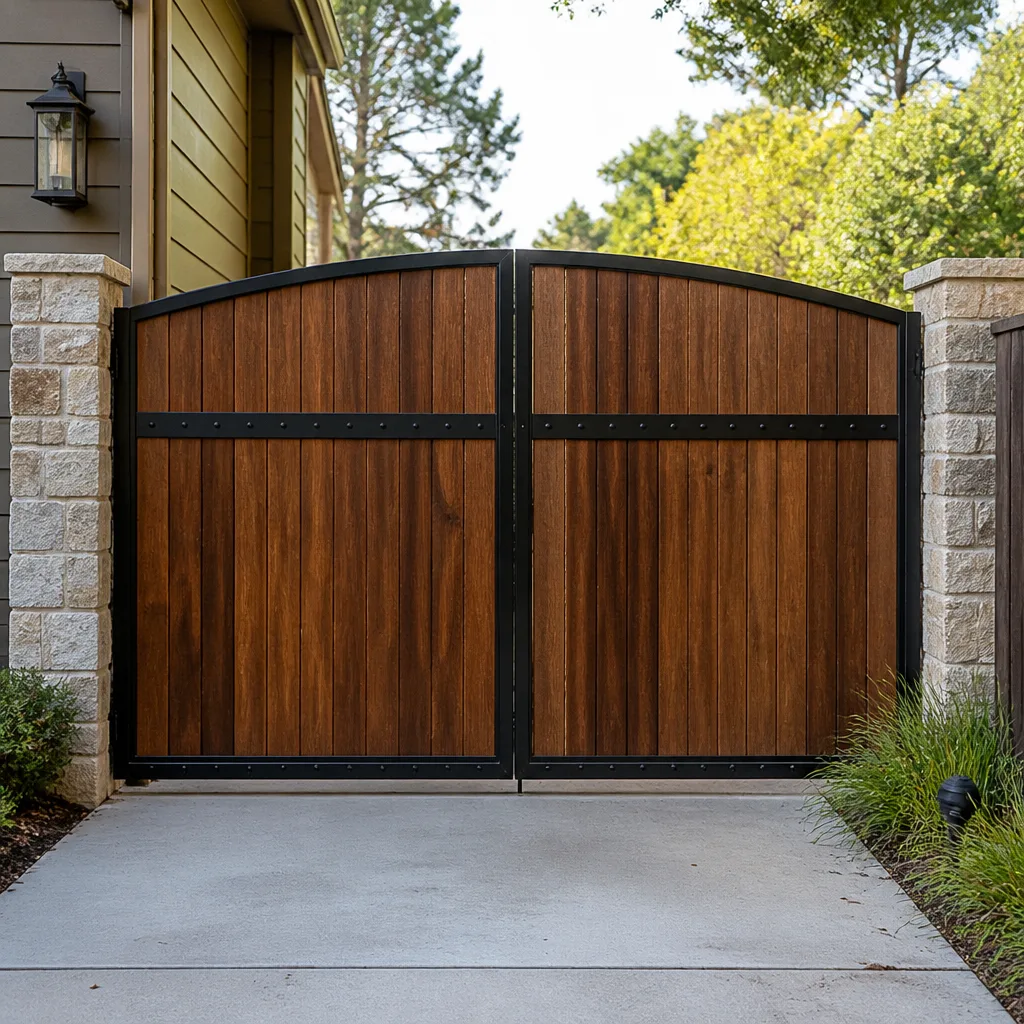 Wood & steel frame
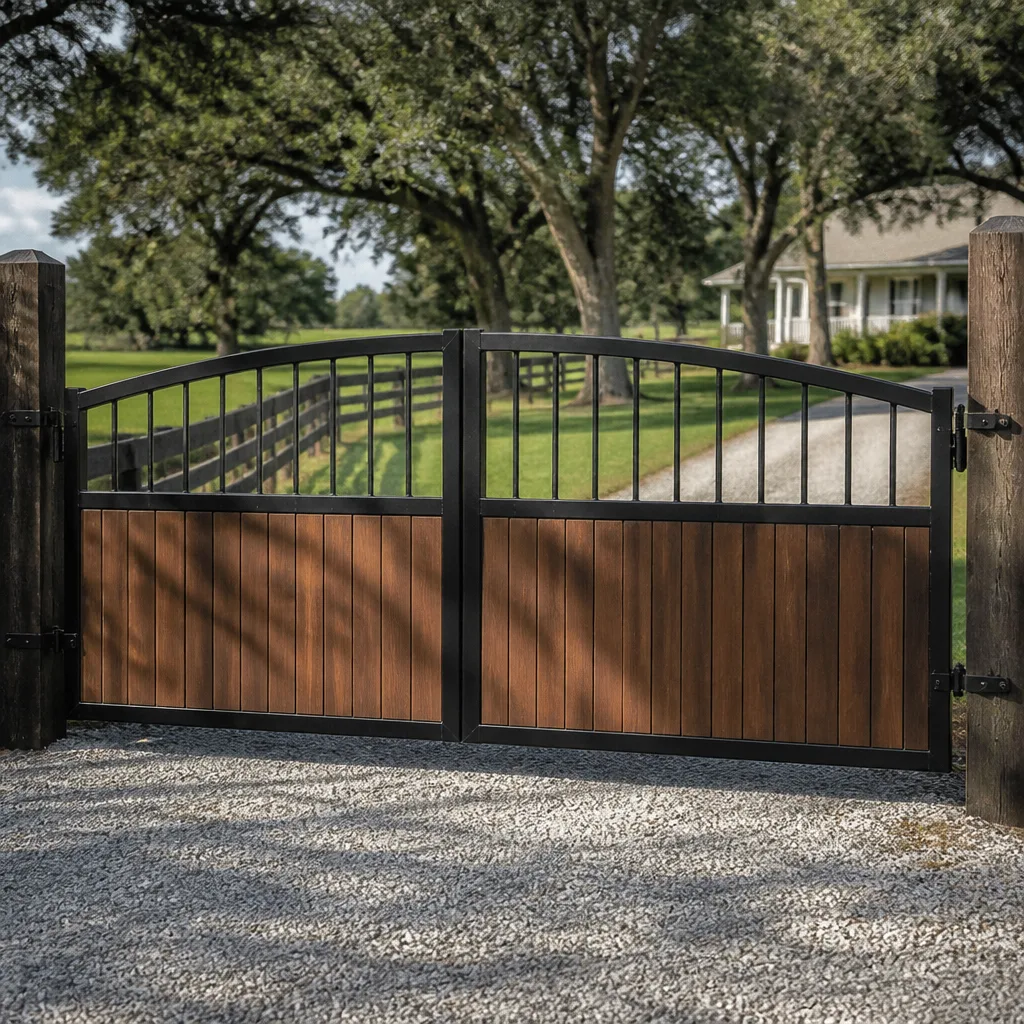 Farm & ranch
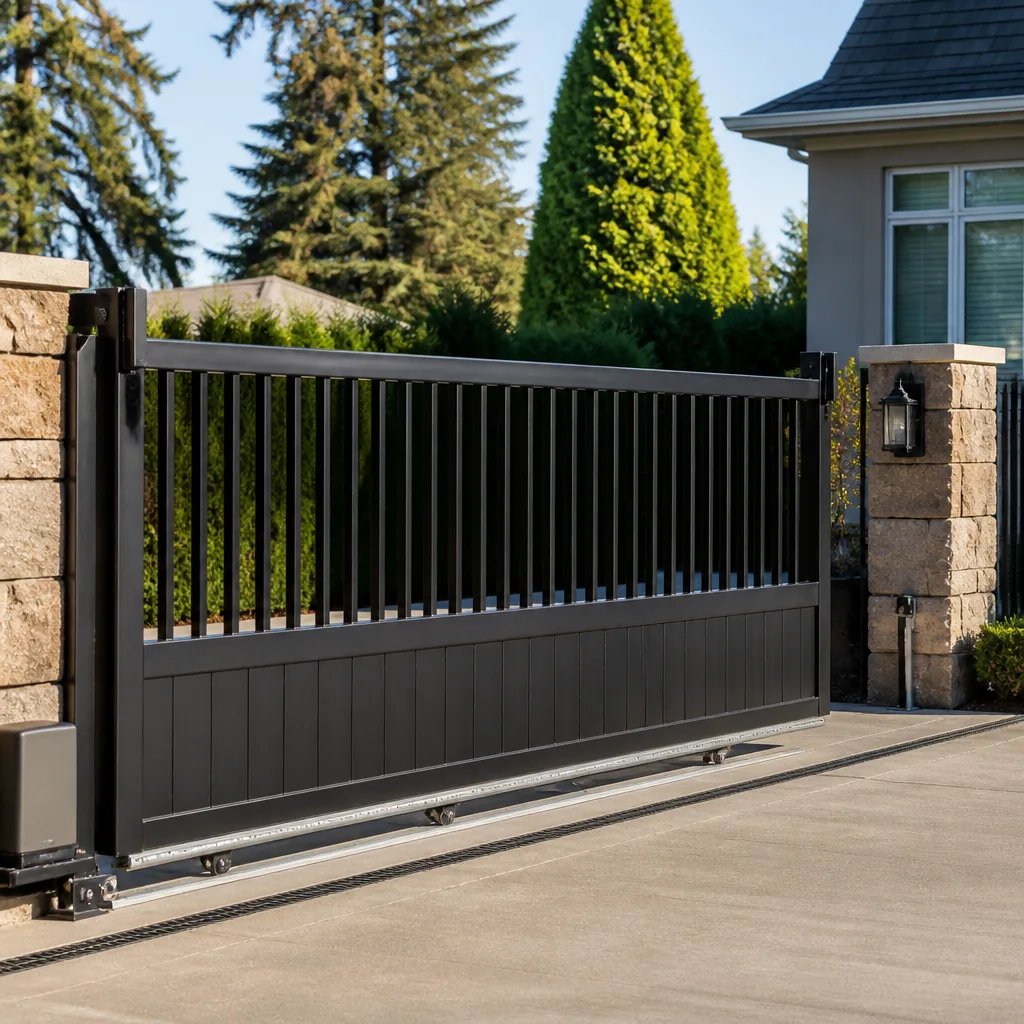 Sliding driveway gates
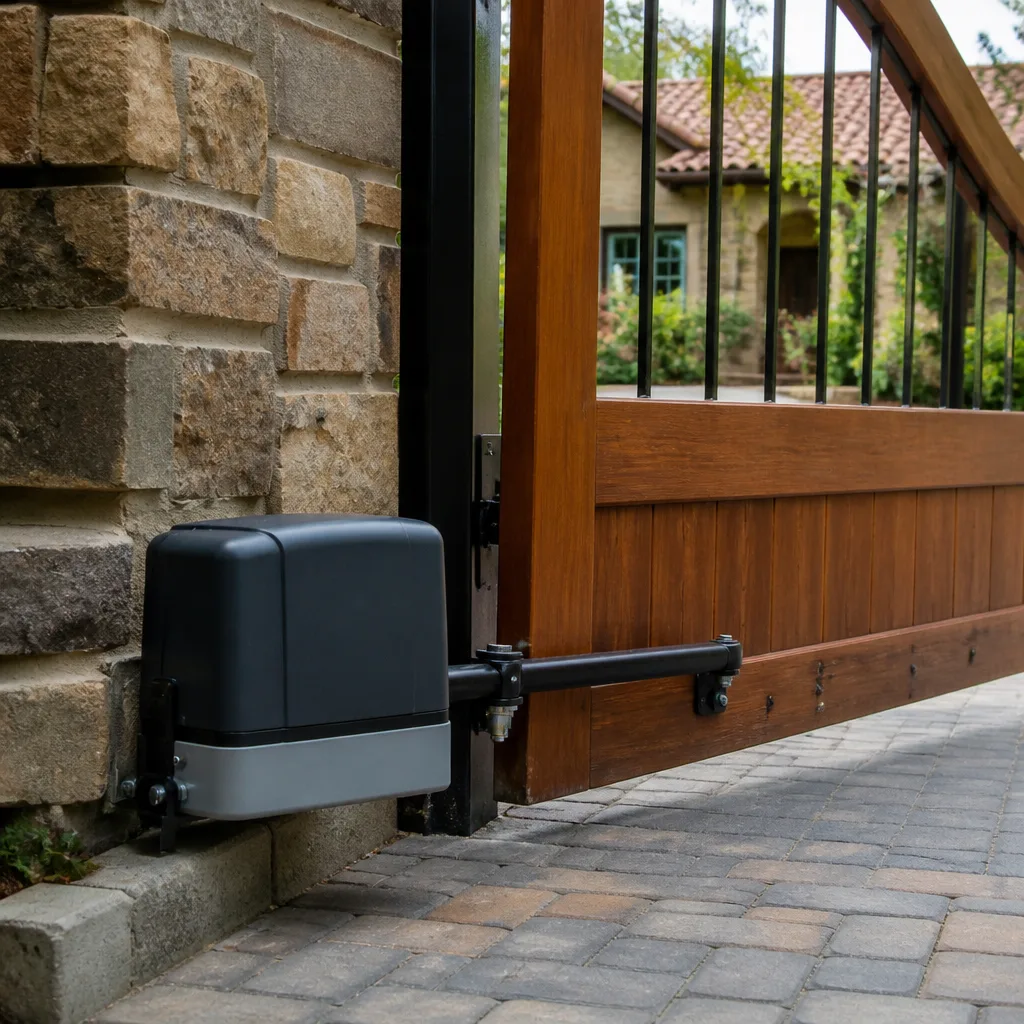 LiftMaster operators
Free on-site gate assessment - hinges, posts, and your LiftMaster or Nice gate operator checked before anything is quoted
The assessment is free and the quote is the invoice.
Get your free estimateGate Repair Warning Signs: An Aurora Homeowner’s Reference Guide
A grinding noise from a swing gate operator and a grinding noise from a slide gate operator are not the same problem. The swing gate usually points to a worn worm gear inside the operator; the slide gate often means debris has packed into the rack. Same sound, very different diagnosis, and treating one as the other makes the repair worse. That’s the core problem with most warning-sign guides: they list symptoms without the gate type that gives those symptoms their meaning. This reference organizes warning signs by category, electrical versus mechanical, seasonal versus structural, so you read the right diagnosis for the gate you actually have in Aurora.
Quick Answer
Automated gates signal failure well before they stop entirely, but the signals are specific to the drive system. A swing gate that hesitates against the wind usually has a mechanical or power problem at the operator; a slide gate that reverses mid-travel usually has a safety-edge or rack issue; a vertical pivot gate that drifts often has a limit-switch or control-board fault. Matching the symptom to the gate category and the system that drives it is what gets a technician to the right part on the first visit.
Styles & brands we work with
- Wrought iron
- Wood & steel frame
- Farm & ranch
- Sliding driveway gates
- LiftMaster operators
Table of Contents
- Warning Signs Organized by Gate Type
- Electrical vs. Mechanical Warning Signs
- How Aurora’s Environment Shapes Gate Wear
- Signs That Mean “Schedule Service Within Two Weeks”
- Signs That Mean “Don’t Use the Gate Until a Technician Arrives”
- How to Document Warning Signs So a Technician Can Pre-Diagnose
- Brand Differences That Change the Diagnosis
- What Happens on a Service Visit
Warning Signs Organized by Gate Type
Gate type determines what a symptom means. A symptom that points to a worn gear on one system points to a completely different part on another. This is the section most general guides skip, and it’s the one that saves you from a wrong diagnosis.
Swing gate warning signs
- Hesitation or slow travel in one direction only. Usually a worn hinge, a failing operator gear, or a binding latch, not a power problem.
- Stalling when wind hits the panel. A mechanical binding issue at the hinge or operator, or an undersized operator for the panel weight.
- Uneven opening at the start. Often points to a worm gear inside the operator wearing down.
- Reversal mid-swing without an obstacle. Usually a limit switch out of adjustment or a control-board fault.
Slide gate warning signs
- Grinding through the travel. Debris packed into the track or rack, not the gearbox.
- It travels partway and reverses. A safety-edge false trigger or a rack misalignment.
- The gate travels but the operator sounds strained. Roller wear or a track that’s shifted after frost or settling.
- Stepping off the track. Guide roller failure or rack misalignment, and a gate that could jam and stop on its own.
Vertical pivot gate warning signs
- Drifts or sags after it reaches the top. A limit switch or a control board losing its position reference.
- The arm hesitates at the start of travel. Hydraulic pressure loss or a tired actuator.
- Return travel is slow while lift travel is normal. Often a hydraulic bypass issue on hydraulic systems.
Getting the category right is half the diagnosis. If you’ve already identified the type and the symptom is severe, use gate repair for the type of visit you need.
Electrical vs. Mechanical Warning Signs
The most expensive mistake homeowners make is assuming an electrical symptom is mechanical, or the reverse. If your gate hesitates, that’s mechanical. If it does something unpredictable, like working perfectly three times and then failing on the fourth, that’s electrical. Confusing them leads to throwing parts at a gate that didn’t need them.
Electrical warning signs
- Works intermittently, fails without a pattern.
- Control board shows fault codes or won’t retain settings.
- Remote range shrinks or remotes stop pairing.
- Operator refuses to respond at all, no motor sound, no travel.
- Safety-edge lights flicker or the operator reverses on every close.
- Power at the operator drops after rain (a moisture ingress issue).
Mechanical warning signs
- Hesitation, jerking, or stalling at the same point in travel.
- Grinding, scraping, or whining sounds.
- Physical binding at a hinge, roller, or latch.
- Reversal that repeats at the same physical point in travel.
- Visible wear at the operator gear, hinge pin, or guide roller.
- Gate drifts by hand when the operator is off.
Electrical problems often present as sudden, intermittent failures. Mechanical problems repeat. If your gate’s symptoms fit both, a proper diagnostic visit is what separates a bad control board from a bad gearbox. For systems where the electronics are the primary fault, electric gate repair is the right call.
How Aurora’s Environment Shapes Gate Wear
Aurora’s gate wear looks different from gate wear in Florida or Phoenix, and that means local patterns matter. Three things drive it here: road salt in winter, our clay-heavy soil, and the humidity swings between summer and winter.
Road salt
If your gate is close to a roadway, the salt the city lays down in winter gets into guide rollers, hinges, and rack teeth. Left in place, it eats the coating off steel hardware and starts corrosion cycles that cause binding in the spring. A wash-down of metal hardware before the first hard freeze and again after the last salt application is the single most useful maintenance habit for an Aurora gate.
Clay soil
Our clay-heavy soil expands and contracts dramatically. Fence posts and gate anchor points that sat level in July can be out of line by February. When a slide gate starts dragging near one end of its travel, or a swing gate’s strike post shifts so the latch doesn’t catch, that’s the ground moving rather than a bad part. Repairs that skip the anchor point usually come back next season.
Humidity swings
Summer humidity in Aurora stresses operator enclosures and control boards. Condensation builds on cold electronics when warm, wet air gets in. Weatherproof junction boxes and correctly sealed operators prevent this, but once the seal fails, control-board failures follow. If your gate has failed twice in the same wet season, suspect moisture ingress rather than a bad board.
None of this appears in manufacturer documentation because it’s specific to a cold-climate, clay-soil, road-salt region. If you’re in Aurora and the pattern fits, we can check it on an on-site estimate.
Signs That Mean “Schedule Service Within Two Weeks”
Some warning signs mean “watch it,” others mean “stop using it,” and the middle tier is the one homeowners ignore until it becomes an emergency. These are the signs that should get a service call booked within two weeks.
- You hear grinding on a slide gate. Debris in the track doesn’t fix itself, and every cycle grinds a little more off the rack teeth.
- A swing gate hesitates at the start of travel. Early wear on the gear or a hinge. Catching it now means a small repair; waiting means a full operator replacement.
- Your remotes have lost range. Receiver or antenna degradation is simple to diagnose, but the operator will eventually stop responding.
- Your gate reverses at the same spot every time. A safety-edge sensor is miscalibrated or its alignment has shifted.
- A slide gate rolls harder than it used to by hand. Roller wear.
- The gate drifts slightly after closing. A limit switch or closing force issue that will worsen.
- Weatherproof seals look cracked or lifted. The next wet season will bring control-board trouble if you don’t seal now.
- Corrosion shows at any hinge or pin. Especially on gates exposed to road salt.
None of these require immediate emergency response. All of them become expensive if you wait through another season. That window is why written estimates matter: once you know what the work costs, it’s much easier to decide to do it now instead of after it fails.
Signs That Mean “Don’t Use the Gate Until a Technician Arrives”
These are the signals where the safe answer is to stop cycling the gate and let a technician look at it. A heavy gate panel that behaves unpredictably can injure a person or a vehicle. A control fault can cause the operator to command movement when nobody expects it.
- The gate reverses on every close, even with nothing in its path. A safety edge is failing, and the operator may eventually decide the path is clear and close on a person or car.
- The gate travels past its limit. A limit switch or control board is failing, and the panel could jam against a stop or push into a vehicle.
- You hear a loud crack, snap, or metallic clang. Something structural has failed or come loose inside the operator.
- The gate drops or sags suddenly at any point. Hinge, roller, or anchor failure.
- The gate has come off its track or rack. Slide gates can jam, tip, or bind a roller that then breaks under load.
- You see smoke, smell burning, or find scorch marks at the operator. Electrical fault, and the power to the operator should be shut off at the breaker until it’s inspected.
- The operator housing is physically damaged or open. Exposed wiring and moving parts together are dangerous.
For any of these, don’t try to fix it at home. Heavy gate panels and operator wiring carry real injury risk, and an adjustment made blind often makes the fault worse. Call a professional.
How to Document Warning Signs So a Technician Can Pre-Diagnose
You can help a technician arrive with the right parts by documenting what the gate is actually doing. A phone diagnosis that’s based on a clear description and a photo is far more accurate than one based on a vague “it’s not working.”
- Identify the gate type first. Swing, slide, or vertical pivot. Note whether it’s single or double leaf.
- Note the brand on the operator housing. We work on LiftMaster, FAAC, BFT, Linear, Viking, Ghost Controls, DoorKing, Elite, and Mighty Mule systems, so we can tell you on the call whether that brand is one we know well. Elite and DoorKing systems in particular have their own fault patterns.
- Record a short video of a full cycle. Show the gate opening and closing from a safe distance. Note exactly where in travel it hesitates, reverses, or stops.
- Photograph any control-board fault codes. Most operators have an indicator LED or a display. A clear photo of the code saves a diagnostic trip.
- Photograph the hinge, roller, rack, and track areas. Close-ups of wear at any of these points often reveal the fault before anyone arrives.
- Note the timing. Does it always fail, or only after rain, only in cold mornings, only after the gate has cycled several times in a row?
- Confirm the power source and where the breaker is. The technician will need this to work safely.
Send it all with a call. Free estimates are based on what we can see and measure, and this documentation often makes the difference between a quick fix and a full replacement quote.
Brand Differences That Change the Diagnosis
Brand matters because control boards, fault codes, and mechanical wear patterns are brand-specific. A symptom in a Ghost Controls residential operator doesn’t mean the same thing as the same symptom in a DoorKing commercial operator.
- Ghost Controls. Residential DIY-focused operators. Their control boards and remotes have specific pairing and fault-code behavior, and range issues usually originate with the receiver rather than the transmitter.
- Viking. Known for robust residential and light-commercial operators with their own diagnostics and safety-edge conventions. Troubleshooting follow the fault LED pattern.
- DoorKing. Commercial and high-cycle systems. Control-board fault codes are more detailed than residential operators, and pre-diagnosis from a fault-code photo is often accurate.
- Elite. Residential slide and swing operators with their own safety-edge and limit settings. Symptom patterns across the brand are consistent enough that identical symptoms in a swing and slide Elite operator point to different parts, which is the whole point of organizing warning signs by gate type.
- LiftMaster, Linear, Mighty Mule, FAAC, BFT. Each has its own board layout, fault-code language, and mechanical quirks. The brand name on the housing is what tells a trained technician which diagnostic path to take.
If you don’t know your brand, a photo of the operator label is enough. We can identify it and pre-diagnose from there. Our technicians have up to 9 years of experience with these systems across Aurora.
What Happens on a Service Visit
An on-site visit isn’t just “look at the gate and guess.” A trained technician runs a specific sequence that separates a mechanical fault from an electrical one and confirms the brand-specific fault pattern before touching a single part.
- Cycle the gate with power off. Confirms whether the mechanical system moves freely or binds.
- Cycle with power on. Compares mechanical resistance to what the operator is actually doing.
- Check the control board. Reads fault codes, looks for moisture ingress, and checks for signs of electrical damage.
- Check limit switches. Confirms that open and close positions are set correctly and holding.
- Check safety edges and sensors. Confirms that obstructions are correctly detected and reversal stops working when they shouldn’t.
- Inspect hinges, rollers, rack, track, and anchor points. Looks for wear, debris, and displacement of posts or rails.
- Write an estimate. The price you see is the price you pay, and no work starts until the quote is agreed.
If the fault points to full replacement rather than repair, we handle installation too, which means you don’t need a separate contractor. The estimate covers both scenarios so you can decide with a clear number in front of you. If you’re in Aurora and want to know the options for your specific gate, our Aurora coverage covers residential and commercial systems across the city.
Common Mistakes to Avoid
- Treating every grinding noise the same. A swing gate grinding points to the operator gear; a slide gate grinding points to the rack. Replacing a gearbox when the fault is debris in the rack makes it worse.
- Assuming an intermittent failure is a mechanical problem. Intermittent operation is almost always electrical. Intermittent symptoms paired with mechanical adjustments usually end up with the wrong part replaced.
- Ignoring the weatherproofing. Aurora’s humidity and road salt wear on seals and hardware. A gate that fails every spring likely has a moisture ingress problem that was never addressed after the previous repair.
- Adjusting the safety edge to solve a reversal. A reversal at the same spot is a signal, not a nuisance. Turning up the closing force masks the fault and creates a safety risk.
- Waiting for a full failure. Nearly every warning sign in this guide has a small-repair window. Waiting through a second failure often doubles or triples the work.
- Bypassing a hard stop sign. If the gate has dropped, sagged, or jammed off the track, keep it out of use. Heavy panels moving under an uncontrolled operator can injure people and damage vehicles.
- Hiring a general fencing or handyman service for an automated gate. The wiring, control boards, and operator internals need a specialist, and the wrong diagnosis costs more than the diagnosis itself.
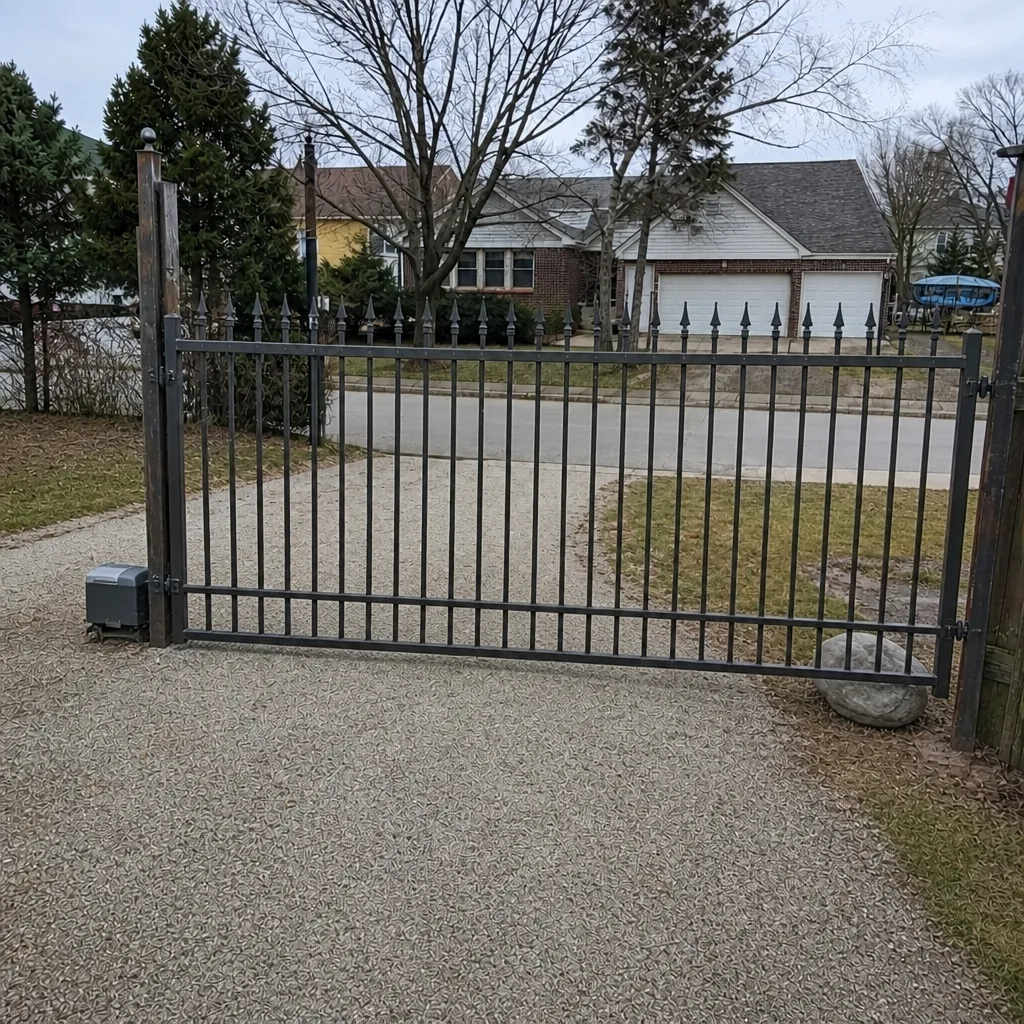
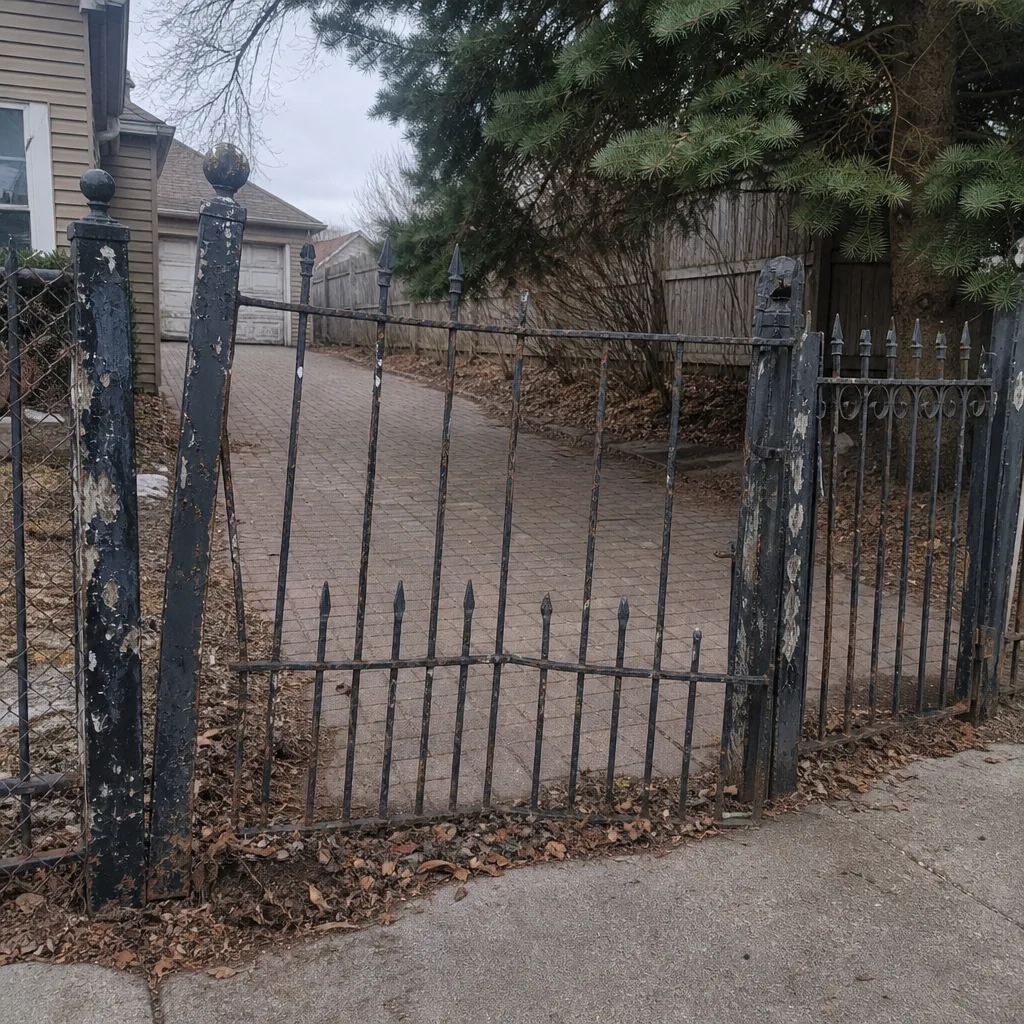
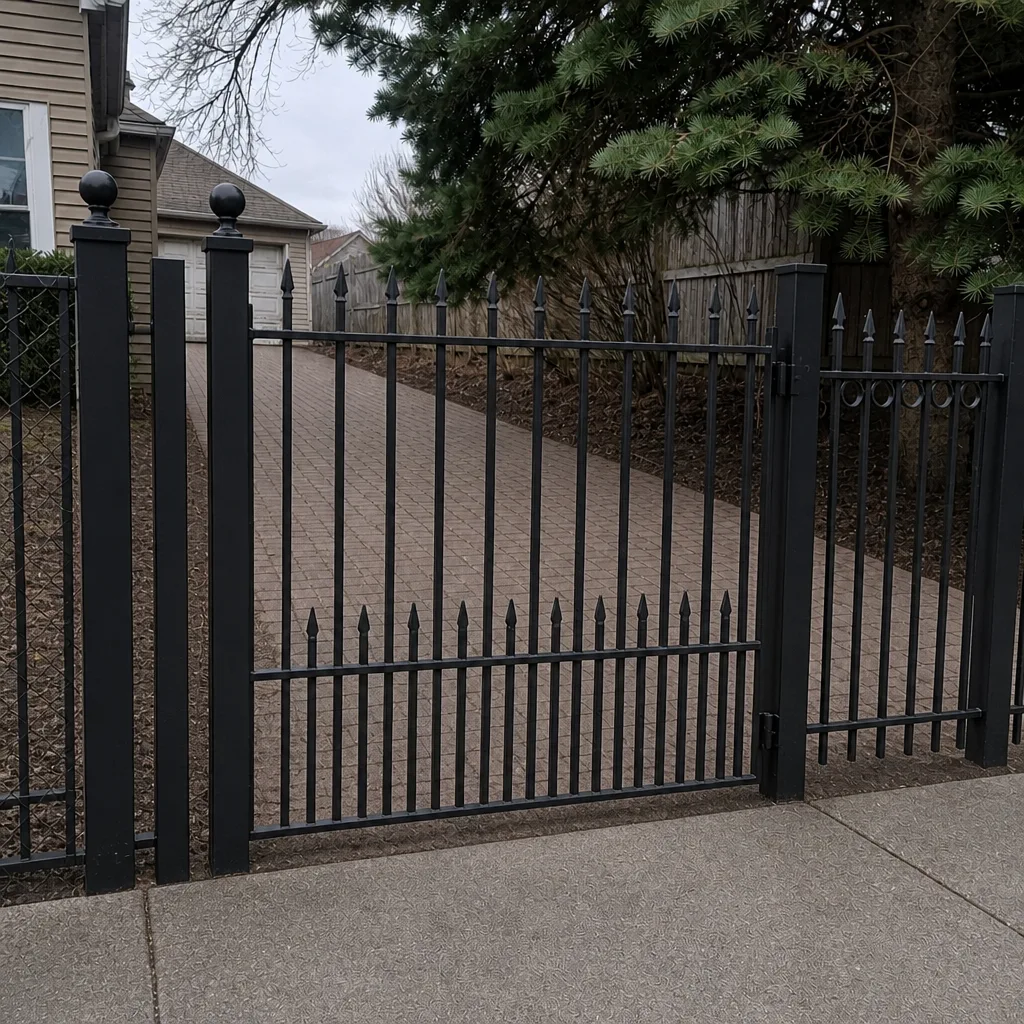
See the difference
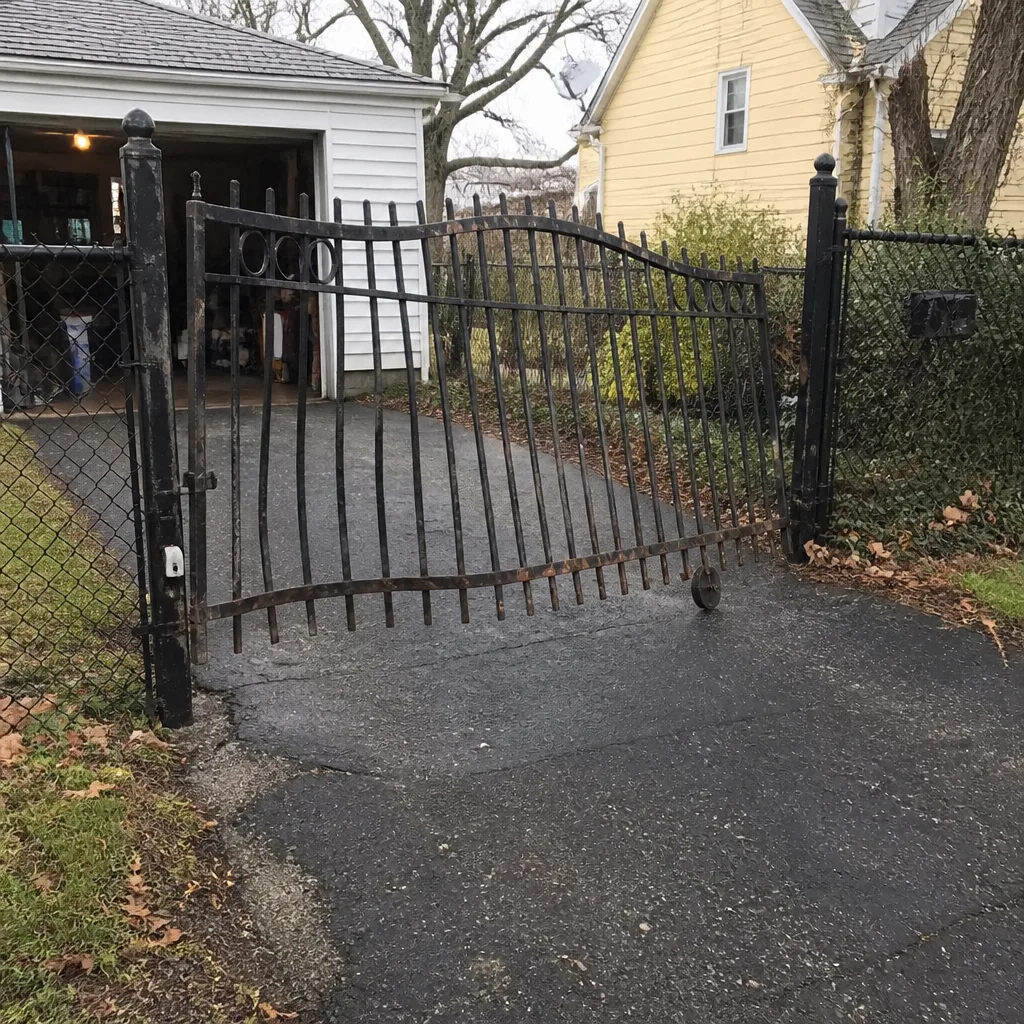 Before
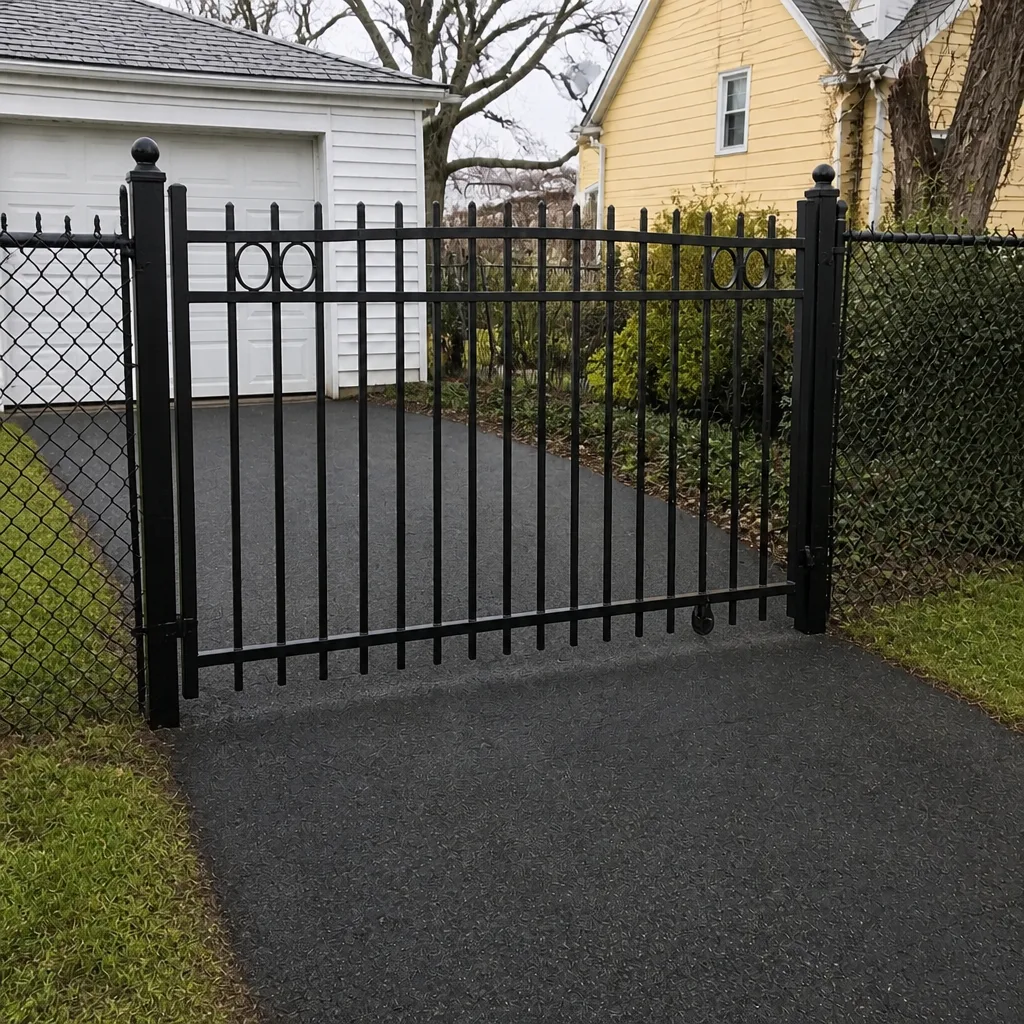 After
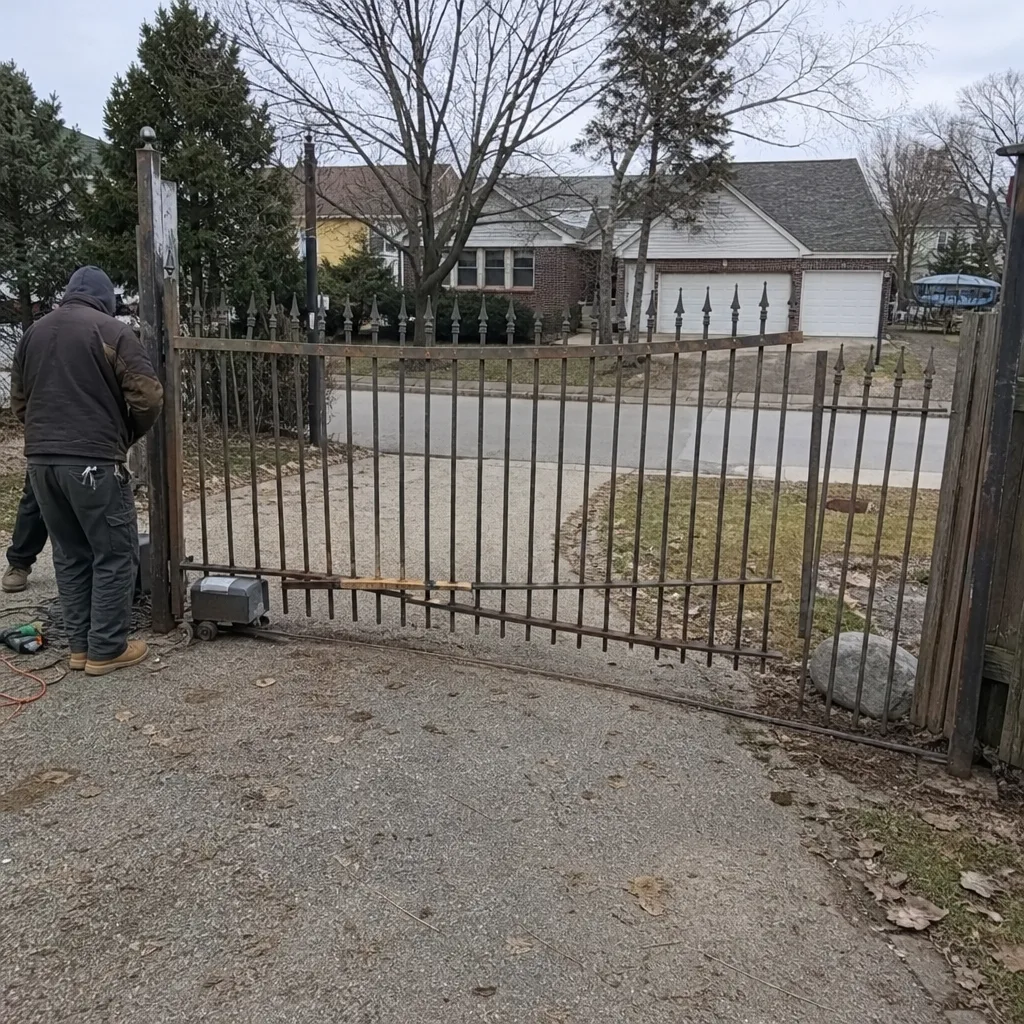 Before
 After
 Before
 After
When to Call a Professional
Call us when any sign in the “don’t use the gate” list shows up, when two or more “schedule within two weeks” signs overlap, or when a symptom changes from intermittent to consistent. Also call if you’ve had a previous repair that didn’t fully resolve the problem, if a control board shows fault codes you can’t interpret, or if your gate anchors or track have shifted after a season. We work on residential and commercial systems and can give you a repair-or-replace answer on the same visit. Gate Repair Aurora offers free estimates in Aurora. Call (866) 361-5021. We answer 24/7. Fast dispatch from 7am to 7pm, Sunday through Friday. Get started with Gate Repair Aurora.
Frequently Asked Questions
Electrical problems are intermittent: the gate works fine for a while and fails without a pattern. Mechanical problems repeat at the same point in travel. If the gate hesitates, grinds, or binds at a consistent spot, it’s mechanical. If it fails unpredictably or produces fault codes, it’s electrical. When symptoms overlap, a professional diagnostic is the fastest way to know which part to replace. Call (866) 361-5021 for a free estimate.
Grinding on a slide gate usually means debris packed into the track or rack, not a failing gearbox. The debris grinds against the rack teeth each time the operator moves and wears the rack down. A swing gate with the same grinding sound points to a different part, typically the worm gear inside the operator. Match the sound to your gate type before diagnosing. Call (866) 361-5021 to book a free on-site estimate.
Stop using the gate if it reverses on every close, travels past its limit, drops or sags suddenly, comes off the track, shows smoke or burn marks, or has an open or damaged operator housing. These are the signs where continued use creates injury or damage risk. Symptoms that are slower, intermittent, or mechanical but stable can be used carefully until the service visit. Call (866) 361-5021 to confirm which category your gate is in.
Most mechanical repairs (hinge replacement, roller replacement, rack cleaning, safety-edge adjustment) are handled in a single visit once the parts are on hand. Control-board or motor replacement can take longer if a specific part needs ordering. The written estimate sets the price before any work starts, and the estimate is free. Call (866) 361-5021. We answer 24/7. Fast dispatch from 7am to 7pm, Sunday through Friday.
Often, yes. Send a photo of the operator label, a short video of one full cycle, and a photo of any control-board fault codes. With those three items, a technician can usually identify the brand, the gate type, and the likely fault before leaving the shop. That means arriving with the right part instead of a return trip. Call (866) 361-5021 and we’ll tell you what to send.
Repair usually wins if the operator is intact and the fault is a specific part: a gear, a board, a limit switch, a safety edge. Replacement makes more sense if the operator is underpowered for the panel, if multiple parts have failed in the same season, or if the brand no longer has available parts. A trained technician can give you a repair and a replacement estimate on the same visit. Call (866) 361-5021 for a free estimate.
The Bottom Line
Warning signs on an automated gate are specific, not generic. The gate type (swing, slide, or vertical pivot) tells you what a symptom means, and the split between electrical and mechanical warning signs is what determines the right part. Aurora’s road salt, clay soil, and humidity swings create local patterns that manufacturer documentation doesn’t cover, which is why so many repairs fail to stick. Watch for grinding on slide gates and hesitation on swing gates as the two most common early signals, treat reversals, drops, and smoke as stop-using situations, and document what you see so a technician can pre-diagnose from your call. Small repairs done at the first sign stay small; the same repair after a second failure usually doesn’t.
Written by the team at Gate Repair Aurora.