
Last updated November 16, 2026
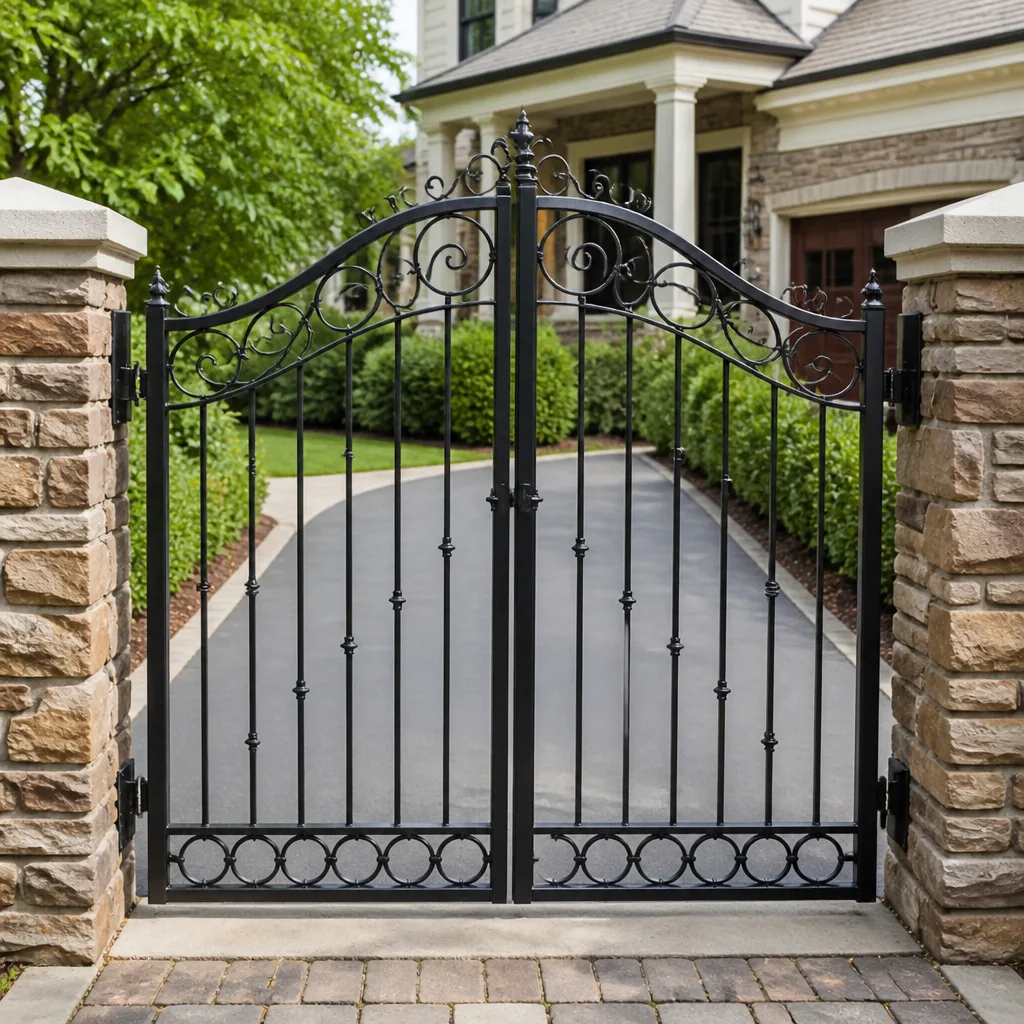 Wrought iron
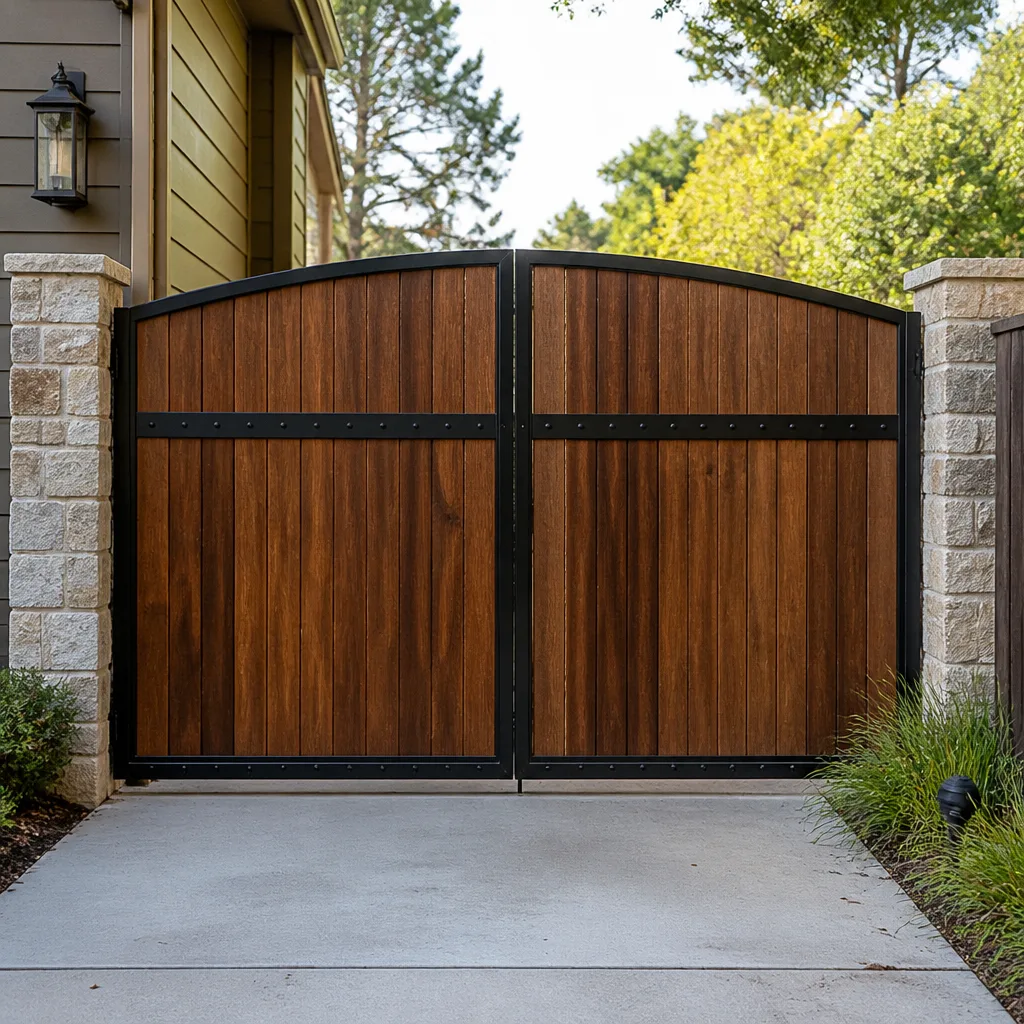 Wood & steel frame
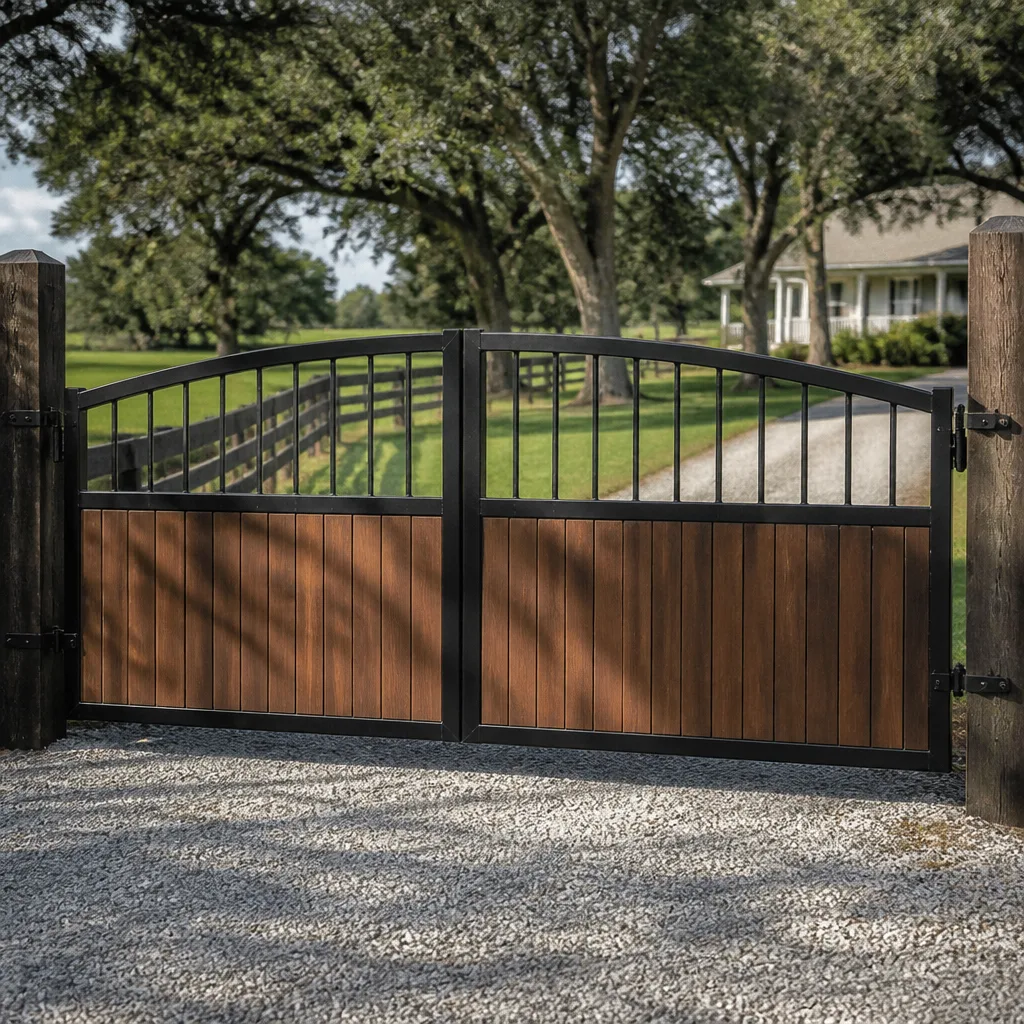 Farm & ranch
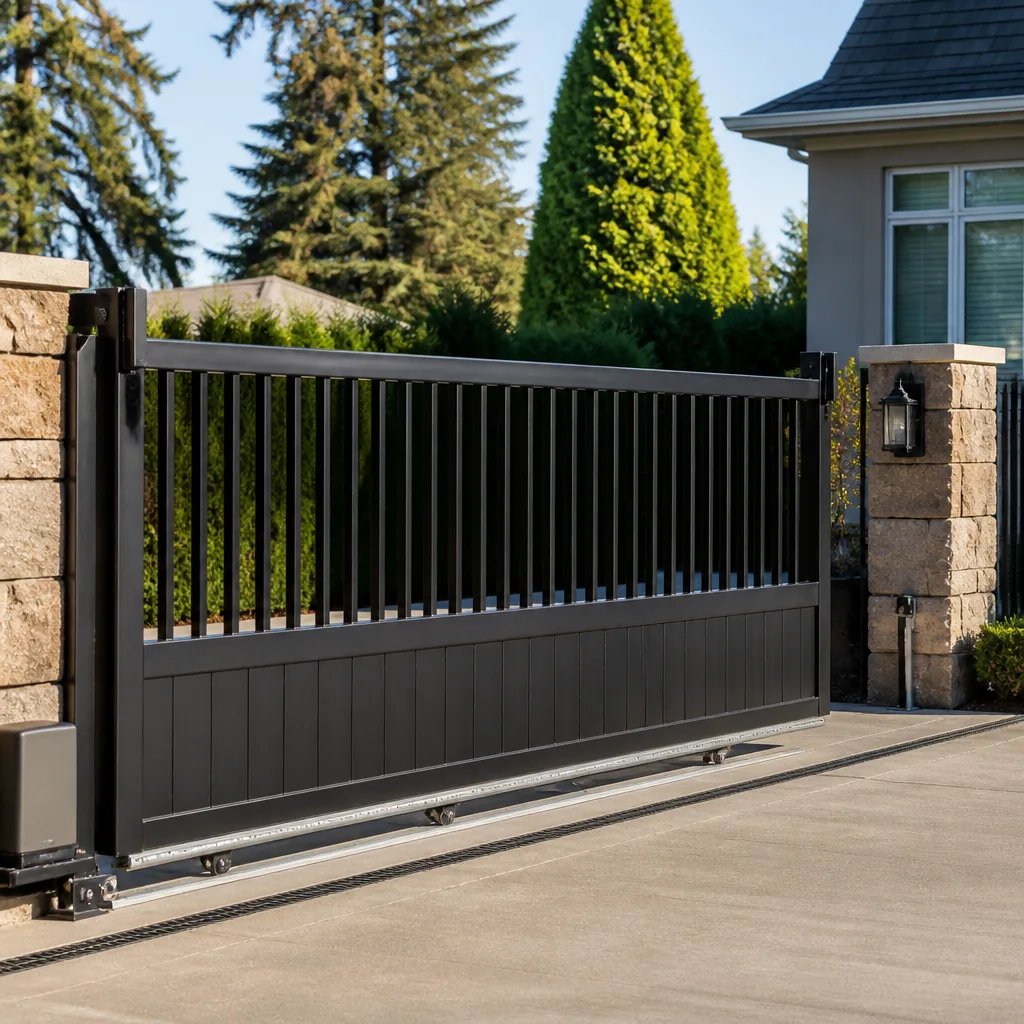 Sliding driveway gates
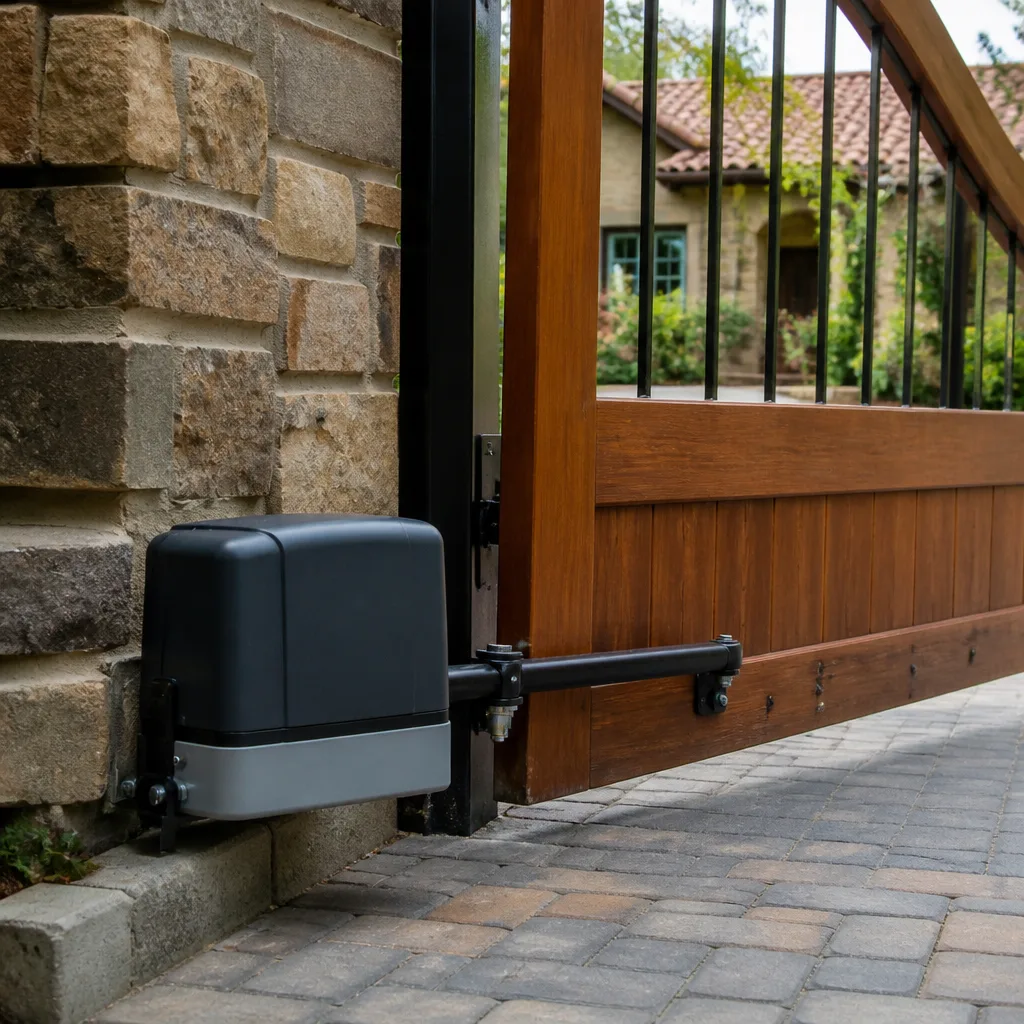 LiftMaster operators
Free on-site gate assessment - hinges, posts, and your LiftMaster or Nice gate operator checked before anything is quoted
The assessment is free and the quote is the invoice.
Get your free estimateGate Repair Permits, Codes & Inspections in Aurora, IL: What You Need to Know
If a contractor tells you that swapping your gate operator needs no permit in Aurora, ask them to put that in writing. Most homeowners assume a permit only matters when you build a fence or pour a new driveway. Powered gate systems don’t work that way. The City of Aurora’s building division can treat a new automated operator or a major component swap differently from a simple mechanical repair, and a gate that was installed or rebuilt without the right paperwork can become a real headache at resale. This guide explains when a permit applies in Aurora, how UL 325 entrapment protection fits in, what inspections look for, and why skipping the process costs more than it saves.
Quick Answer
In Aurora, IL, installing a new automated gate operator or making a major change to a powered gate system usually requires a building permit and an inspection, while a like-for-like repair of a mechanical part (a hinge, a roller, a bent arm) typically does not. Every automated gate, new or existing, must meet UL 325 entrapment protection standards, which function as a de facto code requirement in Illinois. When in doubt, ask the City of Aurora’s building division before work begins.
Styles & brands we work with
- Wrought iron
- Wood & steel frame
- Farm & ranch
- Sliding driveway gates
- LiftMaster operators
Table of Contents
- Which Gate Projects Need a Permit in Aurora?
- What Counts as an Exempt Repair?
- How UL 325 Shapes Illinois Gate Code
- HOA Overlay Rules in Aurora Subdivisions
- The Aurora Inspection Process, Step by Step
- What Happens When You Skip the Permit
- What Permit-Related Gate Work Costs in Aurora
- Safety and the Parts You Should Never Touch
Which Gate Projects Need a Permit in Aurora?
The short version: powered work is where permits come in. If you’re adding electricity to a gate for the first time, replacing an operator with a different model or capacity, changing how the gate swings or slides, or building a new gate and operator setup from scratch, plan on a permit. Aurora’s building division reviews these because they involve electrical connections, structural anchoring, and a safety system that protects people from a moving gate.
Here’s the practical breakdown of what usually triggers a permit:
- New automated gate installation – residential or commercial, including the operator, wiring, and safety edges.
- Operator replacement with a different model or make – for example, moving from a Mighty Mule residential opener to a heavier-duty commercial unit, or switching control platforms entirely.
- Any new electrical circuit or power run to the gate location.
- Structural changes – new posts, re-poured footings, a different gate width or weight class.
- Adding entrapment protection devices where none existed before, because the system is being brought up to current standards.
What makes this confusing in Aurora is that the answer depends on the scope, not the label. Two jobs that both get called “gate repair” can land on opposite sides of the line. One is swapping a failed receiver on a DoorKing operator that stays in the same spot with the same wiring; the other is replacing that operator with a larger unit and re-running power. The first is generally a repair. The second is closer to an installation and usually needs review. Our technicians have up to 9 years of experience, and we’ve watched this distinction trip up homeowners who assumed any fix under the “repair” umbrella was exempt. If you’re unsure which side your job falls on, call the city’s building division and describe it plainly. They’ll tell you.
What Counts as an Exempt Repair?
A like-for-like mechanical repair generally doesn’t require a permit in Aurora. If a hinge is bent, a roller is worn, a latch is misaligned, or a control board is swapped for an identical replacement without changing the electrical service or the operator’s capacity, that’s routine maintenance and repair. The gate stays what it was. No new load, no new circuit, no change to the safety envelope.
The tricky part is that “like-for-like” is narrower than people think. Ask yourself these questions before assuming you’re exempt:
- Does the electrical service stay exactly the same? Same circuit, same voltage, no new conduit.
- Is the replacement operator the same model and capacity as the one coming out?
- Are the safety edges, photo eyes, and entrapment devices staying in place and functioning?
- Is the gate itself, including posts and footings, unchanged?
If you answered yes to all four, you’re probably in exempt territory. If any answer is no, that’s the signal to check with the building division first. In our experience, the jobs that get people in trouble are the “while we’re at it” upgrades – a homeowner decides to bump up to a stronger operator or add a keypad and card reader to an Elite system, and suddenly the scope has changed. That’s no longer a repair. It’s a modification, and modifications need review. We work on your brand of operator every week, and part of doing that well is being honest about when the paperwork matters. It’s better to spend twenty minutes on the phone with the city than to discover the problem during a home inspection years later.
How UL 325 Shapes Illinois Gate Code
UL 325 is the safety standard for gate operators, and in Illinois it functions as a de facto code requirement for any gate with an automated operator. It’s not a suggestion or a manufacturer preference; it’s the benchmark inspectors and insurers point to when they ask whether a powered gate is safe. The standard requires entrapment protection – devices that detect a person or object in the gate’s path and stop or reverse the gate before injury occurs.
For a residential swing or slide gate, that usually means at least one means of entrapment protection in each direction of travel. In practice, that’s photo eyes, safety edges, or a combination. Commercial and high-cycle operators often need more, depending on how the gate is configured and how it’s used. The key idea is simple: a gate that closes on a person without stopping is a hazard, and the standard exists to prevent that.
Where this gets real for Aurora homeowners is during a sale or an insurance claim. If your gate predates current UL 325 requirements and you’ve never updated the safety devices, the system may not meet the standard today. That doesn’t mean you have to tear it out, but it does mean any major work on the operator is a chance to bring the safety devices up to date. When we replace an operator, we treat the entrapment protection as part of the job, not an add-on. The gate motor is the part people notice; the photo eyes and safety edges are the part that keeps a child or a pet from being hurt. That’s the part we don’t cut corners on. If you’re not sure what your current gate has, that’s a question worth asking before any repair begins.
HOA Overlay Rules in Aurora Subdivisions
City code is the floor, not the ceiling. Many Aurora-area subdivisions layer HOA rules on top of municipal requirements, and those rules can add steps that the city itself never asks for. An HOA might require architectural review before a gate changes color, style, or height. It might specify setback from the property line, restrict certain operator types, or require that any new gate match the neighborhood’s existing look. Some associations want proof of a licensed contractor before work starts.
This matters because a project can pass city inspection and still violate HOA covenants. The two processes run in parallel, not in sequence, and the city won’t check HOA compliance for you. Before you schedule a new gate installation, do these three things:
- Pull your HOA’s architectural guidelines and read the section on fences and gates.
- Submit the architectural review request if your association requires one, and get approval in writing.
- Keep that approval with your permit paperwork, because some HOAs ask for it again at resale.
Commercial properties and multi-unit buildings in Aurora have their own overlay considerations – parking access, fire lane clearance, and shared-driveway agreements between neighboring property owners. If your gate sits on a shared entrance, the other property owner may have a say in the design and the operator. We’ve serviced enough commercial gates around Aurora to know that the paperwork on a shared entrance can be more complex than the installation itself. Sorting that out before the crew arrives saves everyone a delay. Ask your association or property manager what they require, and get the answers in writing.
The Aurora Inspection Process, Step by Step
Once a permit is issued, an inspection is the final gate (so to speak) between you and a compliant installation. The inspector is looking for a few specific things, and knowing them in advance keeps the process moving. Here’s how it typically goes:
- Permit application and plan review. You or your contractor submits the scope, the operator model, the electrical details, and the safety devices. The city reviews the plan before work starts.
- Rough-in inspection if required. If new electrical work is involved, the wiring and conduit may need to be inspected before the gate is fully assembled or buried.
- Final inspection. The inspector checks the installed operator, the entrapment protection, the electrical connection, and whether the work matches what was approved.
- Sign-off and closeout. Once it passes, the permit is closed. Keep the documentation; you’ll want it at resale.
The inspector will physically test the safety devices. Photo eyes need to be aligned and functional. Safety edges need to reverse the gate when contacted. The operator needs to be mounted securely and wired to code. If the gate doesn’t stop or reverse the way it should when something is in its path, the inspection fails and you fix it and reschedule. Timing varies by workload at the building division and by how complete the original application was. A clean, well-documented submission moves faster than one that gets sent back for missing details. That’s one reason we like to have the operator model and safety device plan settled before anything is ordered – a vague application is the slowest kind.
What Happens When You Skip the Permit
An unpermitted automated gate doesn’t announce itself. The gate works. The gate looks fine. The problem surfaces later, and it tends to surface at the worst possible moment. Here’s where skipping the paperwork catches up with Aurora homeowners and property managers:
- Insurance claims. If a gate injures someone or damages property and the work was never permitted or inspected, your insurer may question coverage. A claim denial on a liability issue is a serious outcome.
- Resale disclosure. Illinois sellers disclose known unpermitted work. A buyer’s inspector who spots a powered gate with no permit record can slow or sink a closing until it’s resolved.
- Fines and re-inspection. The city can require you to permit the work after the fact, which means tearing into finished work to expose it for inspection in some cases.
- Safety liability. If the gate wasn’t inspected, no one verified the entrapment protection actually works. That’s a responsibility that sits with the property owner.
The frustrating part is that the cost of doing it right is small compared to the cost of fixing it later. A permit and inspection on a typical gate job is a modest line item. A failed closing, a denied claim, or a re-inspection that requires opening up finished work is a different order of expense. We’ve seen homeowners in Aurora discover a missing permit during a sale and spend weeks chasing paperwork they could have had on day one. If you’re buying a home with a powered gate, ask for the permit records. If you’re selling, pull them before your buyer does.
What Permit-Related Gate Work Costs in Aurora
We don’t publish fixed prices because every gate is different, but we can tell you how the costs break down so you know what to expect. The estimate is free, and the price is set per job by the written estimate – never a surprise invoice after the fact. Here’s the general shape of things:
- Mechanical repair (hinges, rollers, latches, arms): quoted per job after we look at the gate.
- Electronic repair (control boards, receivers, photo eyes): quoted per job, and the diagnosis is part of the visit.
- Operator replacement: the operator model, the electrical work, and the safety devices all factor into the quote.
- New automated gate installation: measured, ordered, and scheduled – this is not a same-day job.
- Permit fees: set by the City of Aurora’s building division, not by us. We’ll tell you what to expect when we quote the work.
One thing worth saying plainly: the price you agree to before work starts is the price. We quote per job in writing, and the written estimate is what sets the final number. If a repair turns up something unexpected once we’re inside the operator housing, we stop and talk to you before continuing – no work happens without your approval. That’s how a real estimate should work. For a free estimate on your Aurora gate project, call gate repair at (866) 361-5021. We don’t promise same-day service on installations or new operators, because that work is measured and ordered. For repairs, we’ll tell you what’s realistic when you call.
Safety and the Parts You Should Never Touch
Most gate repair is safe to describe and dangerous to attempt. The parts that hurt people are the ones with stored energy or live current, and both are present on nearly every automated gate. We’re not going to give you step-by-step instructions for those, because a mistake can be serious. Instead, here’s what to know and what to leave to a trained technician.
The dangerous parts on a gate are the operator’s wiring and power supply, heavy gate panels that can crush a hand or a limb if they swing unexpectedly, and slide gates that come off the track and fall. A residential swing gate can weigh hundreds of pounds. When it’s under power, it moves on its own. Never work on the wiring or open the operator housing while the power is on, and never disable the photo eyes or safety edges to “test” the gate – that removes the exact protection the standard requires. If your gate is moving erratically, stopping halfway, or reversing for no reason, stop using it and call a professional. Our team specializes in electric gate repair and knows these systems from the inside. Entrapment protection isn’t a feature you can skip; it’s the thing that makes a powered gate safe to live with.
Common Mistakes to Avoid
- Assuming a powered repair needs no permit. Any change to the operator, the electrical service, or the safety devices is worth a call to the building division. It costs nothing to ask.
- Swapping to a stronger operator without a plan review. A bigger unit changes the load, the wiring, and the safety requirements. That’s a modification, not a repair.
- Disabling the photo eyes to stop nuisance reversing. Misaligned photo eyes are a fixable problem. Disabling them creates a liability that stays with the property.
- Skipping HOA architectural review. City approval doesn’t equal HOA approval. Both need to be in place before work starts.
- Losing the permit paperwork. Keep the permit and inspection sign-off with your home records. You’ll need them at resale.
- Hiring a general handyman for a code-sensitive job. Automated gates involve electrical work and safety systems. Use a specialist who knows the standards.
- Assuming a remodeled gate from a previous owner was permitted. If you bought a house with a powered gate, pull the records. What you don’t know can cost you at closing.
See the difference
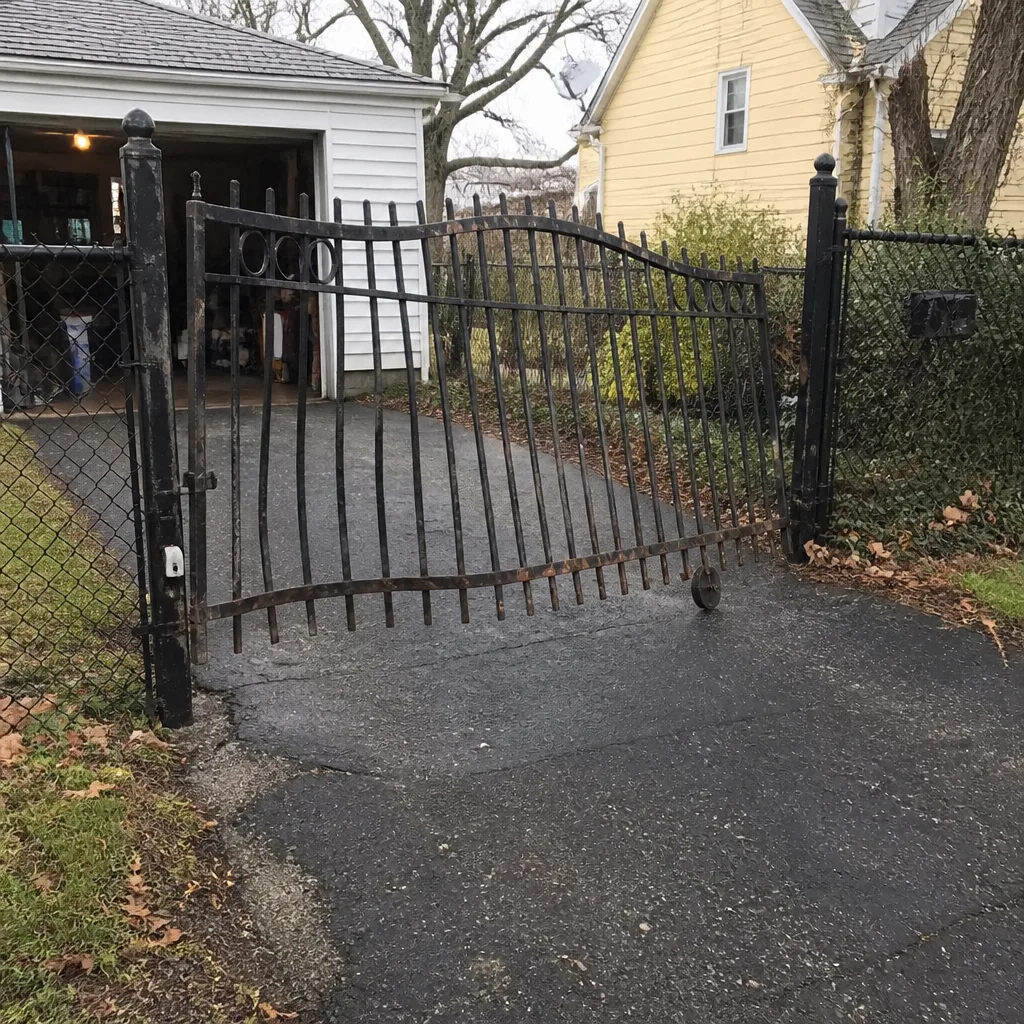 Before
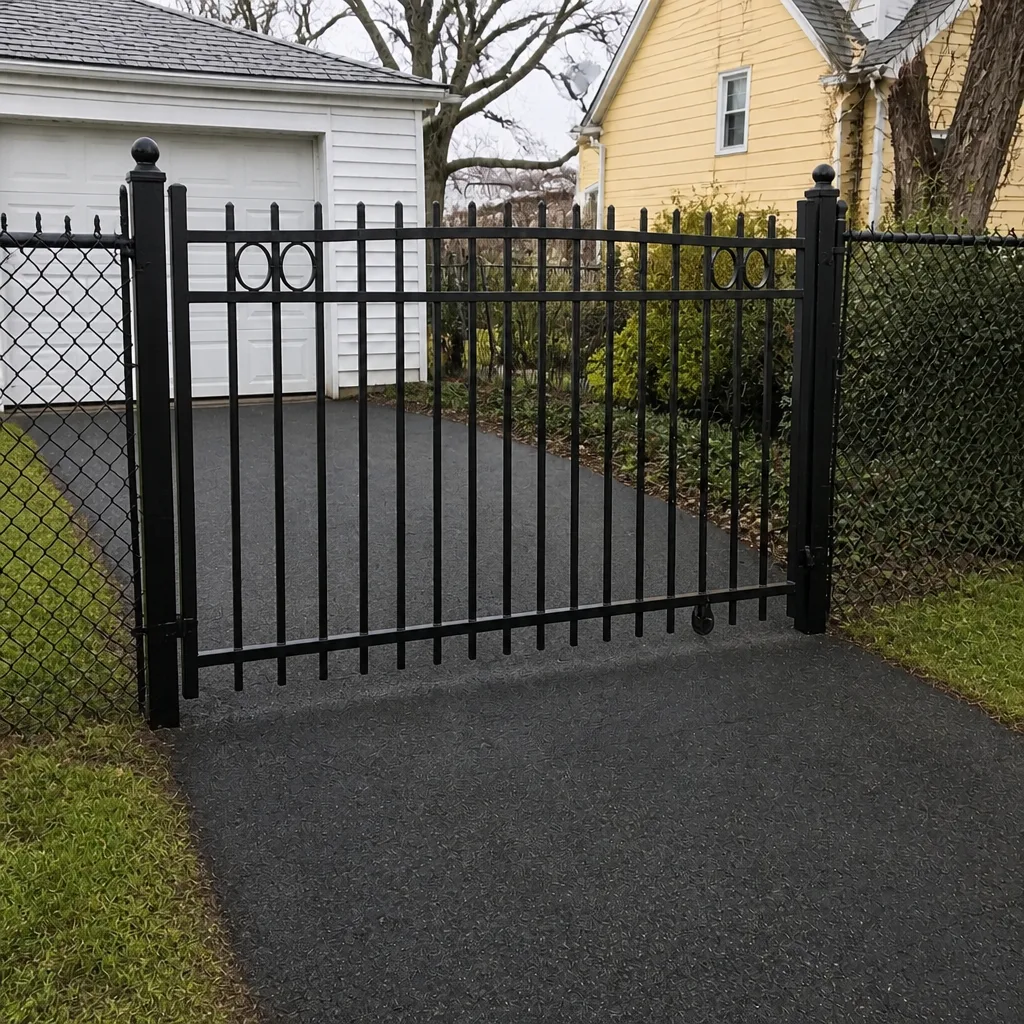 After
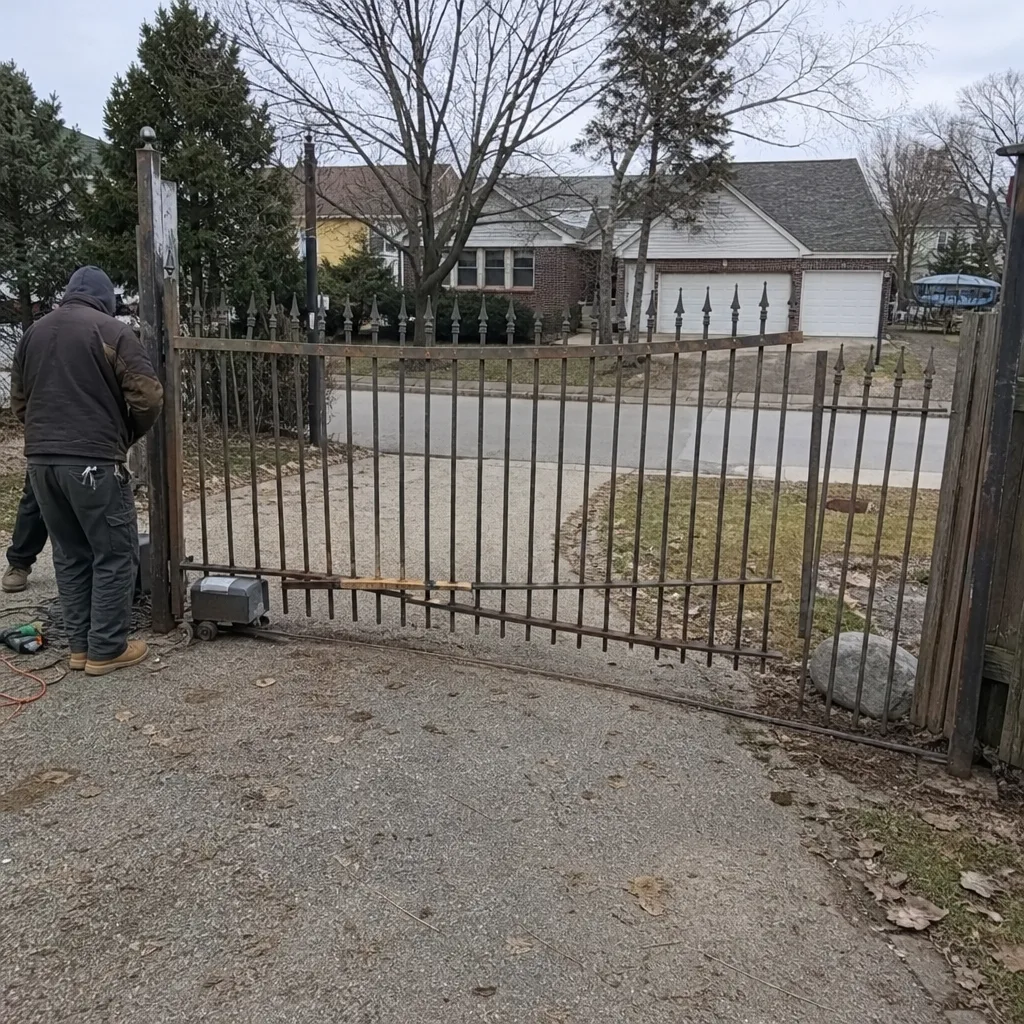 Before
 After
 Before
 After
When to Call a Professional
Call a professional if your gate operator needs replacement, if your wiring or electrical service needs any change, if the safety devices are missing or not working, or if your gate is moving erratically and you can’t identify why. Call us before you order a new operator, too – matching the unit to the gate and the code is easier than fixing a mismatch afterward. We work on your brand of operator across the residential and commercial spectrum, from Mighty Mule and Ghost Controls on the homeowner side to DoorKing and Elite on the commercial side, and we handle both repair and full installation under one roof. Gate Repair Aurora offers free estimates in Aurora – call (866) 361-5021. The estimate is free, the price is quoted and agreed before any work starts, and we’ll tell you honestly whether your job is a repair or a permit-level installation.
Frequently Asked Questions
It depends on the scope. A like-for-like mechanical repair – a hinge, a roller, a latch – typically doesn’t need a permit in Aurora. A new automated operator, a change to the electrical service, new posts or footings, or added safety devices usually does. Call the City of Aurora’s building division and describe the job before work begins. Call (866) 361-5021 if you want help figuring out which category your project falls into – estimates are free.
Replacing an operator with the same model and capacity, on the same wiring, is often treated as a repair. Replacing it with a different model, a larger unit, or new electrical work is generally a permit-level change. The safest move is to ask the building division with the model number in hand. Call (866) 361-5021 for a free estimate on the operator work itself.
UL 325 is the safety standard for gate operators, and it functions as a de facto code requirement in Illinois. It requires entrapment protection – photo eyes or safety edges – that stop or reverse the gate when something is in its path. Every automated gate should meet it, and any operator replacement is the right moment to bring the safety devices up to date. Call (866) 361-5021 for a free estimate.
Yes. HOA rules run alongside city code, not instead of it, and they can require architectural review, specific styles, or proof of a licensed contractor. A project can pass city inspection and still violate HOA covenants. Read your association’s guidelines and get any required approval in writing before work starts. Call (866) 361-5021 for a free estimate once your approvals are in place.
Illinois sellers disclose known unpermitted work, and a buyer’s inspector who finds a powered gate with no permit record can delay or derail a closing. The city can also require the work to be permitted after the fact, which may mean opening up finished work for inspection. Pull your permit records before you list. Call (866) 361-5021 if you need the gate brought into compliance first – estimates are free.
The inspection itself is usually quick – the inspector tests the operator, the entrapment protection, and the electrical connection against the approved plan. The timeline that matters is the plan review and scheduling, which varies with the building division’s workload and how complete your application is. A clean, well-documented submission moves faster. Call (866) 361-5021 for a free estimate and we’ll help you prepare the details the city will ask for.
The Bottom Line
The permit question in Aurora comes down to scope. Mechanical repairs are generally exempt. New operators, electrical changes, structural work, and safety device updates are not. UL 325 makes entrapment protection a practical requirement on every automated gate, and HOA rules can add steps the city never asks for. The inspection process is straightforward if your paperwork is clean, and the consequences of skipping it – denied claims, resale problems, fines – are far more expensive than the permit. When in doubt, ask the building division, and get the answer in writing. Written by the team at Gate Repair Aurora. For expert help with your gate in Aurora, Gate Repair Aurora is here for repair or replace, residential and commercial.
Ready to get your gate back up and running? Call (866) 361-5021 for a free estimate. We answer 24/7. Fast dispatch from 7am to 7pm, Sunday through Friday.
Written by the team at Gate Repair Aurora.